
Does Medicare Cover Hearing Aids in South Dakota? A Medicare Advantage Guide
September 24, 2026 | By Dr. Jade Husby, Au.D. |
Short Version: Does Medicare cover hearing aids in South Dakota? Original Medicare does not, but many Medicare Advantage plans here include a hearing benefit, and some Medigap plans help with related costs. Stanford Hearing verifies your specific plan before your appointment, in Sioux Falls or Buffalo, so you know exactly what is covered before you commit.
If you are turning 65 in Sioux Falls or Buffalo and wondering does Medicare cover hearing aids in South Dakota, the short answer is no, not through Original Medicare alone. That surprises a lot of people who assumed a program covering so much of aging would cover this too. The real answer depends on which type of Medicare coverage you have, and for many South Dakota residents on a Medicare Advantage hearing benefit, a meaningful hearing benefit is already sitting in their plan unused, uncashed because nobody told them to look. Each type of Medicare coverage pays toward hearing aids differently, and knowing which one applies to your plan is what turns a guess into an answer.
Does Medicare Cover Hearing Aids in South Dakota? The Plain Answer
No, Original Medicare does not cover hearing aids in South Dakota or anywhere else. Original Medicare, Parts A and B, is a benefit set defined by federal law, and Congress has never added routine hearing aid coverage to it, which makes this a national rule rather than anything specific to South Dakota. Medicare Advantage works differently. These plans are run by private insurers under contract with Medicare, and the government allows them to offer supplemental benefits beyond what Original Medicare covers, hearing among them, which is why coverage becomes a plan-by-plan question instead of one yes-or-no answer for every South Dakota resident. If you are on a Medicare Advantage plan, the next step is finding out whether your specific plan includes a hearing benefit and what it covers, not assuming the answer because you have Medicare at all.
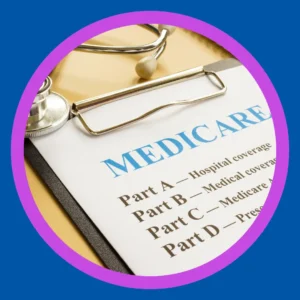
What Medicare Does Cover
We hear this question at the front desk almost every week: answering does Medicare cover hearing aids in South Dakota fully means separating what Original Medicare pays for from what it does not, since the exclusion is narrower than most people assume.
- Diagnostic hearing and balance exams ordered by your doctor, when they are medically necessary rather than routine.
- Treatment for underlying medical conditions affecting your hearing, such as an ear infection or a tumor pressing on the auditory nerve.
- Cochlear implant surgery and the device itself, when your hearing loss meets Medicare’s medical criteria, covered as detailed below.
- Routine hearing aids and hearing aid fittings are the one major exception. Original Medicare treats them the way it treats most vision and dental care: outside its statutory benefit set entirely.
Medicare Advantage and Hearing Aids in South Dakota
For most South Dakota residents asking does Medicare cover hearing aids in South Dakota through their own plan, Medicare Advantage is where the real answer lives, and it is usually a better answer than they expect. Many Medicare Advantage plans available here build in a hearing benefit that Original Medicare does not offer. The reason comes back to how these plans are structured. A private insurer accepts Medicare’s payment for your care and, in exchange, is allowed to add extra benefits on top of what Original Medicare requires, and hearing has become one of the most common additions nationwide. That does not mean every plan includes it, or that two plans with a hearing benefit cover it the same way.
What a Medicare Advantage Hearing Benefit Usually Includes
- An annual hearing exam, often at a low copay or no cost, separate from Medicare’s medically-necessary exam coverage above.
- An allowance toward the cost of hearing aids, with the amount set by your specific plan rather than a Medicare-wide figure.
- A network of approved providers or benefit administrators, meaning you typically use your hearing aids through the plan’s designated partners rather than any hearing clinic you choose.
- Fitting and follow-up care, bundled into the benefit rather than billed as a separate service.
Medicare Supplement (Medigap) Plans and Hearing Aids
Medigap is a common enough term that it belongs in any full answer to does Medicare cover hearing aids in South Dakota, even though Medigap plans do not add hearing aid coverage on their own. Medigap, also called Medicare Supplement insurance, is designed to fill the gaps in what Original Medicare already pays for, deductibles, copayments, and coinsurance on services Original Medicare covers, and it does not expand what Original Medicare covers. Since Original Medicare does not cover hearing aids, a Medigap plan has nothing to supplement on that specific expense, so Medigap alone will not put money toward a hearing aid purchase.
| What Medigap Does | What Medigap Does Not Do
|
|---|---|
| Helps pay your share of Medicare-covered services, deductibles, copays and coinsurance | Add hearing aid coverage Original Medicare does not already provide |
| Works alongside Original Medicare, Parts A and B | Replace or stack with a Medicare Advantage plan |
| Can lower your out-of-pocket cost on a Medicare-covered diagnostic hearing exam | Cover the hearing aid device itself |
Does Medicare Cover Cochlear Implants?
Yes, Medicare covers cochlear implants when your hearing loss meets Medicare’s specific medical criteria, and this is a different coverage question from routine hearing aids entirely. Medicare classifies a cochlear implant as a prosthetic device paired with a surgical procedure rather than as a hearing aid, and its own national coverage determination lays out the hearing-threshold and speech-recognition testing a candidate has to meet before the surgery and the device are approved. That distinction matters here because it is the one place where “does Medicare cover something that helps you hear” has a different answer depending on which device you mean. The coverage determination generally weighs a few things together, not any single test alone.
- Documented severe to profound hearing loss in both ears, confirmed through audiologic testing rather than self-reported difficulty hearing.
- Limited benefit from hearing aids already tried, since a cochlear implant is considered only after hearing aids have not been enough.
- No medical reasons the surgery itself would be unsafe, evaluated by the surgical team as part of the same workup.
Your Coverage Options at a Glance
Every path someone might mean when they ask does Medicare cover hearing aids in South Dakota lines up side by side here, so you can find your own situation at a glance.
| Coverage Type | Covers Hearing Aids? | Your Next Step
|
|---|---|---|
| Original Medicare (Parts A and B) | No | Consider a Medicare Advantage plan or a benefit administrator below |
| Medicare Advantage (Part C) | Sometimes, plan-dependent | Check your plan’s hearing benefit, or ask Stanford Hearing to verify it for you |
| Medigap (Medicare Supplement) | No | Use it to lower costs on Medicare-covered exams, not hearing aids |
| Cochlear implants (any Medicare) | Yes, if you meet medical criteria | Ask your doctor whether you meet Medicare’s coverage criteria |

Use Your Benefit Locally, Not by Mail
We accept hearing benefits administered through Nations Hearing, TruHearing, and United Healthcare Hearing, and each one works a little differently once you are using it.
- Nations Hearing. We do not lock the Nations Hearing devices we fit, so you keep the freedom to get service from our team whenever you need it, rather than being tied to a single provider.
- TruHearing. TruHearing administers hearing benefits for a large number of plans, and we verify your specific TruHearing coverage before your appointment.
- United Healthcare Hearing. If your plan routes its hearing benefit through United Healthcare Hearing, we confirm what it covers the same way, before you commit to anything.
We verify your coverage for free before your appointment whenever your plan uses one of these administrators. When a plan routes its hearing benefit through a third-party administrator at all, you generally contact the administrator rather than your insurer to use it, and your exact coverage still depends on your specific plan. Either way, care happens in Sioux Falls or Buffalo, not by mail order.
Timing: Open Enrollment and Your Hearing Benefit
Medicare Advantage plans can change their hearing benefit from one plan year to the next, which means the plan that covered your neighbor’s hearing aids last year is not a guarantee for you this year. Open enrollment each fall is when South Dakota residents have the most room to act on their hearing benefit.
- Switch Medicare Advantage plans, or move between Original Medicare and Medicare Advantage, without waiting for a special enrollment reason.
- Compare hearing benefits across the plans available in your county, since coverage and allowances vary plan to plan even within the same carrier.
- Time a hearing aid purchase around your new plan year, if a better hearing benefit is starting soon and your current pair can reasonably wait.
Checking your benefit before your appointment, not after, is what keeps a South Dakota resident from an unexpected bill.
How to Find a Medicare Advantage Plan That Covers Hearing Aids
Checking does Medicare cover hearing aids in South Dakota under your own plan takes a few concrete steps rather than a guess.
- Pull your current plan’s Evidence of Coverage document and search it for “hearing” rather than assuming the summary brochure lists everything.
- Call the number on your Medicare Advantage card and ask specifically whether hearing aids are covered, what the allowance is, and which administrator or network applies.
- Compare plans during open enrollment using South Dakota’s available Medicare Advantage options if your current plan has no hearing benefit or a weak one.
- Ask Stanford Hearing to verify it for you. We check your benefit before your appointment as part of scheduling, so you are not the one decoding the paperwork.

A Quick South Dakota Example
Does Medicare cover hearing aids in South Dakota in a way that helps someone’s budget? A Sioux Falls patient on a Medicare Advantage plan through one of the major national carriers comes in assuming Medicare will not help at all, because that is what they remember hearing about Original Medicare. Once we verify their plan, it turns out their Medicare Advantage plan includes a TruHearing benefit with an allowance toward the cost of hearing aids and a set of covered follow-up visits. The patient still pays something out of pocket, since the allowance rarely covers the full cost, but it is a meaningful difference from paying the entire amount themselves. That gap between what people assume and what their plan includes is the reason a benefit check matters more than a guess.
Other Ways to Save on Hearing Aids
- A price match guarantee so you are not overpaying locally: if a nearby clinic beats our price on a comparable device, we meet it.
- Twelve months no-interest financing, for qualifying patients, subject to credit approval.
- Five premium brands, which means options across a range of budgets rather than a single price point.
- What hearing aids cost without insurance at all, if you want the full picture before your benefit check.
What to Bring to Your Benefit Check
- Your Medicare card and, if you have one, your Medicare Advantage plan card, since the plan card carries the ID a benefit administrator needs.
- The name of your specific plan, not just the insurance company, since one carrier often runs several plans with different hearing benefits.
- Any hearing aid benefit documents your plan mailed you, even if you are not sure they are relevant.
- A list of your current medications, useful context for your provider during the visit itself.
Why Choose Stanford Hearing
The plan-by-plan nature of Medicare Advantage coverage is exactly why a benefit check, not a guess, is worth thirty minutes of your time, and Stanford Hearing has been doing that check for South Dakota and southern Minnesota families for over 20 years. We are a consistent Sioux Falls Local Best winner, and we carry five premium hearing aid brands, recommending based on your hearing, your lifestyle, and the places you most want to hear well, so there is no single best hearing aid, only the one that is best for you. Free consultations with no pressure to buy give you a complimentary assessment of your hearing and your needs.
If you are still unsure whether does Medicare cover hearing aids in South Dakota applies to your own plan, that is exactly what a benefit check settles. Contact us or schedule a free consultation, and we will check your Medicare Advantage or benefit-administrator coverage before you come in.
Your Questions: Does Medicare Cover Hearing Aids in South Dakota?
Does Medicare Cover Hearing Aids Through a Retiree Plan From My Old Employer?
It depends entirely on that specific plan, since employer retiree plans are not standardized the way Original Medicare is. Some retiree plans work alongside Medicare and add benefits Medicare does not, including hearing, while others offer little beyond what Medicare already provides. Bring your retiree plan documents to your benefit check and Stanford Hearing will help you figure out what, if anything, it adds toward hearing aids.
Is TruHearing the Same Thing as Medicare?
No. TruHearing is a third-party benefit administrator that some Medicare Advantage plans and other insurers partner with to manage a hearing benefit, not a Medicare program itself. If your Medicare Advantage plan uses TruHearing, Stanford Hearing works directly with them to verify your specific coverage and process your benefit.
Should I Switch to Medicare Advantage Just for Hearing Aids?
A hearing benefit alone is rarely a good reason to switch plans on its own, since Medicare Advantage plans differ on far more than hearing coverage, including which doctors and hospitals are in network. If you are already considering a switch during open enrollment for other reasons, ask Stanford Hearing to help you compare the hearing benefits across the plans you are weighing, so it becomes one factor in a bigger decision rather than the only one.
Will Medicare Start Covering Hearing Aids Soon?
There is no current change to Original Medicare’s hearing aid exclusion, and proposals to add coverage have come up in Congress before without passing. Until that changes, the more reliable answer to does Medicare cover hearing aids in South Dakota for most beneficiaries is checking whether their existing Medicare Advantage plan already includes a hearing benefit, rather than waiting on a policy change with no set timeline.
Does Medicare Cover Over-the-Counter Hearing Aids?
Original Medicare does not cover over-the-counter hearing aids any more than it covers hearing aids fitted by a provider, since the FDA’s over-the-counter category changed who can sell certain hearing aids, not what Medicare pays toward them. A Medicare Advantage plan’s hearing allowance may apply toward an over-the-counter device depending on the plan, which is another detail worth confirming during a benefit check.
How Long Does a Medicare Advantage Benefit Verification Take?
Most verifications come back within a few business days of scheduling, once we have your plan name and member ID from you, and we build that timing into your appointment window rather than making you wait separately. If your plan turns out to have no hearing benefit at all, we tell you that too, before your appointment, so the visit is never a surprise either way.