
Posts by Jen Zimmerman
Sudden Hearing Loss: Myths vs. Facts
Hearing health is vital, yet sudden changes in our hearing ability can be alarming. Sudden hearing loss is when you experience a rapid decline in hearing, often within a 72-hour window. It might affect one or both ears, ranging from mild to severe. If you notice such changes, seeking immediate medical attention is crucial. …
Read MoreDiscover the Best Hearing Aids for Tinnitus
Updated February, 2026 That ringing, buzzing, or hissing sound that never seems to stop — if you live with tinnitus, you know exactly what we mean. The best hearing aids for tinnitus don’t just amplify sound. They fight back against that noise with built-in sound therapy, AI-powered processing, and features designed specifically for tinnitus relief.…
Read MoreFrost-Proof Your Hearing: Winter Hearing Aid Care

As the cold season approaches, it’s not just about keeping yourself warm but also ensuring your hearing aids are well-protected. Winter care for hearing aids becomes essential as they face the brunt of moisture, temperature fluctuations, and snug head coverings. Let’s explore how to safeguard these valuable devices during the chilly months. Winter Challenges…
Read MoreSound Advice: What Is Hearing Health?

Hearing health is more than just the ability to hear loud and soft sounds; it’s a complex system that enables us to engage with the world in meaningful ways. This article delves into hearing health’s essence, significance, and how we can nurture it. Understanding Hearing Health Hearing health is not merely about detecting…
Read MoreUnlock Your Hearing Potential: The Freedom of Choosing Unlocked Hearing Aids

Navigating the world of hearing aids can be complex. Yet, it’s filled with opportunities to enhance your life. Among these opportunities, the choice between locked and unlocked hearing aids stands out. It’s a decision that impacts your hearing experience and your freedom to choose and adapt. In this friendly guide, we’ll explore the importance of…
Read MoreBanishing the Buzz: Eliminating Hearing Aid Feedback

Hearing aid feedback, that unwelcome high-pitched whistle or squeal from your hearing aids, isn’t something you have to live with. Fortunately, it’s often a fixable issue. In this detailed exploration, we’ll uncover the causes of hearing aid feedback and offer practical solutions to enhance your listening experience. Exploring the Roots of Hearing Aid Feedback…
Read MoreHearing Aid Usage and Longevity
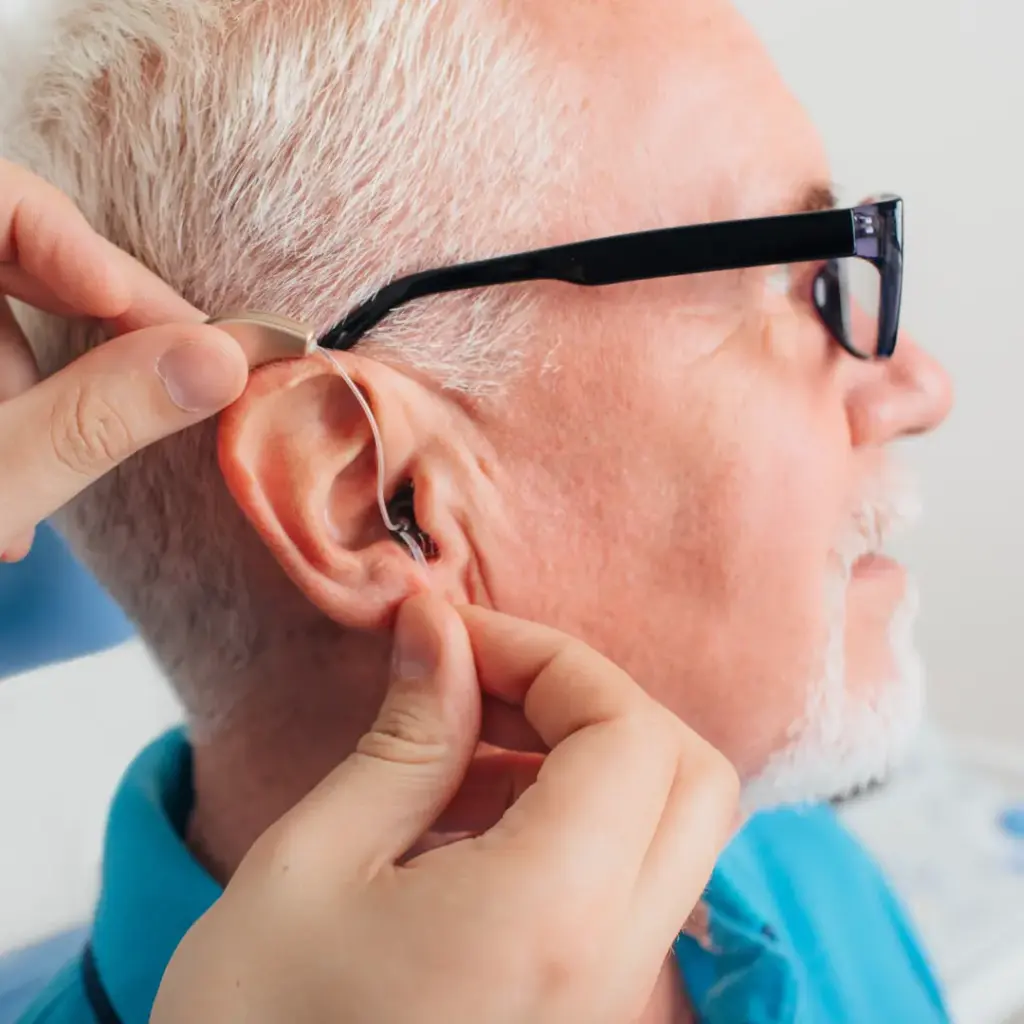
Delving Deeper into the Lifesaving Potential of Hearing Aids The transformative research spearheaded by Keck Medicine of USC and subsequently highlighted in The Lancet Healthy Longevity has brought to the forefront an astonishing health advantage of hearing aids. This study, groundbreaking in its scope and findings, reveals that consistent use of hearing aids decreases…
Read MoreTinnitus Management: Finding What Helps With Tinnitus
Living with tinnitus, characterized by persistent ringing, buzzing, or clicking sounds in the ears, can be a challenging experience for many. Although it’s not a disease itself, tinnitus often signifies an underlying condition related to the auditory system. This comprehensive guide delves into understanding tinnitus, its potential causes and symptoms, and a variety of methods…
Read MoreThe Best Hearing Aid Accessories to Complement Your Device

Hearing aids are revolutionary in enhancing auditory experiences, but their effectiveness can be significantly amplified with the right accessories. These add-ons improve functionality and ensure a seamless integration of hearing aids into daily life. From distinguishing speech in noisy environments to enjoying the nuances of music and movies, the right accessories can transform the way…
Read MoreViagra and Your Ears: The Reality of Hearing Loss Risks
Understanding the Impact of Ototoxic Medications Our ability to hear is a complex and delicate process, easily disrupted by certain medications known as ototoxic drugs. These medications can harm the inner ear’s hair cells or structures, which are crucial for detecting and transmitting sound. Common ototoxic drugs include some antibiotics, loop diuretics for high…
Read More