
Viagra Linked to Hearing Loss: Should You Worry?
Updated September 2026
Short Version: Viagra linked to hearing loss is a real but rare finding, reported mostly in men over 55 and often in one ear only. No study has shown that the drugs cause it. If your hearing drops suddenly after a dose, contact your prescriber or a physician right away, then book a hearing check.
Reports of Viagra linked to hearing loss are rare, and they follow a pattern, so knowing it turns a worrying headline into something you can act on. The warning signs are specific, and our comprehensive hearing tests give you a clear read on your own ears. It is an awkward thing to raise at a checkup, and we would rather you hear the facts from us than guess.
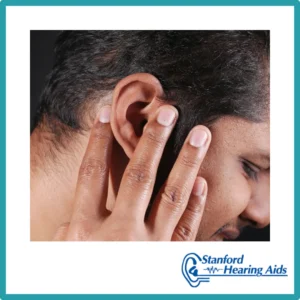
Should You Worry About Viagra Linked to Hearing Loss?
For most men, the answer is no, not in a daily sense. Reports of Viagra linked to hearing loss exist, but the cases are uncommon, and the men affected have mostly been over 55. Awareness matters more than fear here, because a man who knows what to watch for can act quickly if something changes.
A published review of FDA adverse-event reports points to four takeaways:
- All four common erectile dysfunction drugs showed a statistical association with hearing problems, including sudden hearing loss, one-sided deafness, and tinnitus.
- Patients in the reports averaged over 55, and more than 70% of the reports involved men.
- Regulators take the concern seriously, and the FDA asked for a sudden hearing loss warning on the labels of this drug class.
- Even so, the authors could not confirm that the drugs cause these problems, because voluntary reports can be incomplete or inaccurate.
A rare, unproven association calls for attention to your own ears and does not call for alarm.
What Might Explain Viagra Linked to Hearing Loss?
Researchers have not settled on one explanation for Viagra linked to hearing loss, and the leading idea involves nitric oxide, a chemical the body uses to relax blood vessels. The authors of that FDA-report review explain that these drugs can raise nitric oxide release by blocking the breakdown of a signaling molecule called cGMP, and they note that nitric oxide is present in the blood vessel lining of the cochlea, the inner ear’s hearing organ, where they connect it to cochlear damage. So the chemistry that helps with erectile dysfunction may, in a small number of men, disturb a delicate part of the ear as well. That remains a theory, and no study has shown that it happens in any one person.
A second idea comes from a published review of case reports, which suggests that the way these drugs affect erectile tissue in the nose could raise pressure in the middle ear. Circulation sits at the center of both ideas, and the connection between heart and hearing health helps explain why blood flow matters so much to hearing.
The two ideas rest on different footing:
| Idea | What it suggests | How firm it is |
|---|---|---|
| Nitric oxide and cGMP | Higher nitric oxide release may affect the cochlea | Review authors propose it, and no study has shown it in an individual |
| Middle ear pressure | Congestion in nasal tissue may raise pressure behind the eardrum | A review of case reports raises it as a possibility |
No study has shown either idea in an individual man, so watching for changes is your best move.
Which Erectile Dysfunction Drugs Carry the Hearing Warning?
The FDA asked for the same hearing warning across this class of drugs, called PDE5 inhibitors, and the published numbers on Viagra linked to hearing loss point in the same direction for each of the four common ones. No single drug stands apart as free of the concern.
The review counted hearing reports for each drug, listed here by number of reports rather than by risk:
| Medication | Brand names | Hearing reports counted | Reporting odds ratio |
|---|---|---|---|
| Sildenafil | Viagra, Revatio | 786 | 2.93 |
| Tadalafil | Cialis | 515 | 3.49 |
| Vardenafil | Levitra | 127 | 3.22 |
| Avanafil | Stendra | 10 | 6.58 |
Reading those numbers fairly takes four cautions:
- A reporting odds ratio above 1.0 means hearing problems appeared in the reports more often than they did for other drugs in the database, and all four cleared that bar.
- The table counts reports rather than men taking each drug, so a bigger count does not mean a bigger risk.
- Avanafil has only ten reports, which means its odds ratio can swing widely with a handful of cases.
- None of the figures proves that a drug caused a hearing problem, and the review authors said as much.
Which medication and dose fit your health is a conversation for your prescriber, and a baseline hearing check gives that conversation something concrete to work with.
Sudden Hearing Loss Is a Medical Emergency
If your hearing drops suddenly, treat it as a medical emergency. The National Institute on Deafness and Other Communication Disorders advises seeing a doctor immediately, because treatment works best when it starts early. Among the reports of Viagra linked to hearing loss, sudden sensorineural hearing loss is the pattern that matters most, since it develops within about three days and often affects one ear. Picture a man who takes his prescription on a Tuesday evening, wakes up Wednesday with a muffled left ear, and blames a cold. That is an easy guess to make, and it is the guess that lets the first days slip by. Call your physician first and call us second, then come see us for the hearing evaluation, where we share the results with your doctor.
Warning Signs to Act On
Match what you notice after a dose to the right response:
| Sign after a dose | What to do |
|---|---|
| Sudden hearing drop, usually in one ear | Contact your prescriber or a physician right away, and ask whether to keep taking the drug |
| New ringing or buzzing | Note when it started and get a hearing check |
| Fullness or pressure in one ear | Do not wait it out, get evaluated |
| Dizziness with a hearing change | Seek prompt medical attention |
A change in one ear deserves more attention than a change in both, because sudden loss usually affects one ear.
Why Time Matters
About half of people with sudden hearing loss recover some or all of their hearing spontaneously, usually within one to two weeks, and the steroid treatment doctors use most often works best when it starts as soon as possible. A physician or ENT leads treatment, which may include:
- Steroids by mouth, the most common treatment, to calm inflammation in the inner ear.
- Steroid injections behind the eardrum, which NIDCD describes as similarly effective to oral steroids.
- Other therapies your doctor may consider based on your history.
Afterward, a hearing evaluation gives your physician a clear picture of what you have and what still needs protecting.

What Happens at a Hearing Check After a Dose
A hearing check is the practical answer to Viagra linked to hearing loss, because it tells you which ear has changed, how much your hearing has changed, and whether the problem sits in the inner ear or somewhere in front of it. That matters because inner-ear hearing loss and a blocked or pressurized middle ear can feel alike and call for very different care. Our diagnostic hearing evaluations start with pure-tone testing, where you wear soft headphones and respond to gentle beeps, and bone-conduction testing, where a small headband takes over. Comparing the two shows where the change begins, which points to one of the two main types of hearing loss.
Speech testing follows, and it checks how well you understand words rather than just detect them, which reflects real conversations better than beeps alone. Tympanometry rounds out the visit by measuring how your eardrum moves, much like testing the skin of a drum: pressure or fluid behind it keeps it from moving freely. That check flags wax, fluid, or pressure in the middle ear, so it speaks directly to the ear fullness some men report.
Most adults go through the same short set of checks at either clinic:
- Pure-tone air and bone testing finds the quietest tones you hear at each pitch and shows where the change begins.
- Speech testing shows how well you understand words, which is what daily conversation demands.
- Tympanometry shows how the eardrum moves and flags fluid, wax, or pressure behind it.
- Your medication list helps your provider see what you take, so bring the drug in question along with everything else.
You leave with a clear audiogram and a plain-language explanation, and we coordinate with your physician on anything time-sensitive.
How to Protect Your Hearing While Taking Viagra
Most of these habits come down to a good conversation with your prescriber and a baseline you can compare against later.
Before You Start or Refill
Bring these points to your prescriber:
- Mention any hearing trouble or ringing you already have, since that history can shape which medication and dose make sense.
- List every medication and supplement you take, because some medications that can harm hearing do so on their own.
- Ask which changes should prompt an immediate call, so you are not guessing when symptoms appear.
- Take only the dose your provider recommends, since any change in dose should come from your prescriber.
Write the list down before the visit, so nothing gets missed in the room.
After Each Dose
These habits help you catch a change early:
- Watch your hearing closely for the first day or two after a dose, because that is when most reported changes have appeared.
- Schedule a baseline hearing test now, so any later change has a starting point to compare with.
- Keep up with regular hearing checks, which catch gradual changes that a sudden-loss checklist would miss.
- Protect your ears from loud noise, which adds its own strain to hearing.
None of this takes much effort, and the baseline test is the one step that needs a person on our side.
This content is for informational purposes and is not a substitute for medical advice, diagnosis, or treatment. If you notice a sudden change in your hearing, see a licensed medical professional.
Why Choose Stanford Hearing for Your Hearing Care
When your hearing changes, you want people who take the time to explain. For 20-plus years, our locally owned practice has cared for neighbors in Sioux Falls and Buffalo, and we are a consistent Sioux Falls Local Best winner. Seven things come with choosing us:
- Free consultation. Free consultations with no pressure to buy. Your first appointment is a complimentary assessment of your hearing and your needs, with no obligation.
- Try before you commit. Most hearing aids come with a 10-day trial, so you can wear them in real life before you decide. If they are not right for you, return them inside your trial window for a full refund.
- Five premium brands. We carry five premium hearing aid brands and recommend based on your hearing, your lifestyle, and the places you most want to hear well.
- Options for every budget. 12 months no-interest financing is available for qualifying patients, subject to credit approval. A price match guarantee means you will not overpay locally, so if a nearby clinic beats our price on a comparable device, we meet it.
- Insurance help. Original Medicare does not cover hearing aids. Many Medicare Advantage plans include a hearing benefit, and coverage varies by plan. We are in-network with all major insurance providers, including Medicare Advantage, and we verify your benefits before your appointment so you know what is covered before you commit.
- Hands-on care. We provide comprehensive hearing evaluations, programming matched to your hearing loss, verification that your devices hit their targets, and ongoing follow-up, cleanings, and adjustments.
- Two clinics. Sioux Falls, South Dakota and Buffalo, Minnesota.
If Viagra linked to hearing loss is on your mind, or your hearing has already changed, schedule a free consultation and we will help you take the next step.

Viagra Linked to Hearing Loss: Common Questions
Should I stop taking Viagra because of this hearing risk?
Not on your own, and not without symptoms. The reports are uncommon, so talk with your prescriber about your history first. If your hearing changes suddenly, contact your prescriber or a physician right away and ask whether to keep taking it. We can test your hearing and coordinate with your physician on the next step.
How soon after a dose could hearing problems appear?
Often within a day. In one published review of case reports, about two thirds of the cases began within 24 hours of a dose. Timing varies, so keep an eye on your hearing over the following days as well. If something shifts, do not wait it out. We can check your ears and explain what is happening.
Can hearing recover after hearing loss linked to Viagra?
Sometimes, and speed is the reason to act. About half of people with sudden hearing loss recover some or all of it on their own, and treatment that starts early improves the odds. We can test your hearing and help coordinate urgent care with your physician.
Does Viagra have a link to Eustachian tube dysfunction or ear fullness?
One published review of case reports raised it as a possibility, suggesting that the drugs’ effect on erectile tissue in the nose could raise pressure in the middle ear, the space the Eustachian tube keeps balanced. That idea is still unproven. Fullness or pressure in one ear after a dose can also be an early sign of sudden hearing loss, so it deserves a check rather than a guess. We measure how your eardrum moves to see whether pressure, fluid, or wax plays a part.
Can I keep taking Viagra if I already have hearing loss?
Whether Viagra linked to hearing loss changes your plan is a decision for you and your prescriber, and it goes better with facts in hand. A hearing evaluation with us shows where your hearing stands today, so your prescriber can weigh it alongside the rest of your health. Bring your results to that appointment, along with a list of your medications.
About the Author
Dr. Jade Husby, Au.D., Owner and President of Stanford Hearing
Dr. Jade Husby is the Owner and President of Stanford Hearing. Her passion for healthcare began young, driven by her joy in helping others. She grew up in Dakota Dunes, SD. Both her Bachelor’s and Doctorate come from the University of South Dakota. Her residency followed at an Ear, Nose, and Throat clinic in Maryville, TN. Today she pours her time and energy into her patients. Her goal is simple. Every patient should feel like part of the Stanford Hearing family.