
How Long Does Tinnitus Last ? Timelines, Causes, and Proven Relief
Updated June 2026
If you are asking how long does tinnitus last, you are not alone. Millions of people hear ringing, buzzing, hissing, or clicking with no outside source. Some notice it after a loud concert, and it fades within days. For others it lingers for months. The honest answer is that how long tinnitus lasts depends almost entirely on its cause.
This guide breaks down the timelines by cause. You will see what helps and what makes things worse. It also walks through steps you can take starting today. Whether your symptoms are brand new or long-running, knowing the cause puts you in a stronger position.
What Is Tinnitus and Why Does It Happen?
Tinnitus is not a disease. It is a symptom. That distinction matters for one reason. The duration and severity of tinnitus are tied closely to its underlying cause. Your brain perceives sound that has no external source. This happens when the auditory system sends abnormal signals. Damage, inflammation, or changes in the inner ear often trigger those signals.
The causes range widely, which is exactly why the timeline does too. Here are the most common triggers we see in patients seeking tinnitus care:
- Noise-induced damage to the tiny hair cells of the inner ear
- Earwax buildup that blocks normal sound transmission
- Ear infections that create fluid pressure and inflammation
- Medication side effects from certain ototoxic drugs
- Age-related hearing changes that build up gradually over time
- Head, neck, or jaw injuries that disrupt how sound is processed
- Cardiovascular conditions such as high blood pressure
Because these triggers behave so differently, how long does tinnitus last has no single answer. That is why a clear timeline by cause is the most useful starting point.

How Long Does Tinnitus Last? A Timeline by Cause
Understanding the cause gives you a realistic picture of the road ahead. Here is how long tinnitus typically lasts depending on what set it off.
After Loud Noise Exposure
This is one of the most common reasons people suddenly notice ringing. A concert, a hockey game, a gunshot, or a loud worksite can all trigger it. The hair cells in your inner ear take on temporary stress.
In most cases this type of tinnitus resolves within 16 to 48 hours. Some people notice symptoms for up to a week. Recovery depends on how loud the sound was and how long it lasted. It also depends on whether your ears got real rest afterward. If ringing continues past two weeks, see a hearing care provider. That can signal damage that is more than temporary.
After an Ear Infection
Middle ear infections create fluid pressure and inflammation. That can distort how you hear sound. Tinnitus tied to an active infection usually clears once the infection is treated. This often takes one to three weeks. Untreated infections can cause lasting complications. If the ringing does not resolve after treatment, schedule a follow-up evaluation.
From Earwax Buildup
Impacted earwax blocks sound and changes how your eardrum vibrates. The good news is that this cause is highly treatable. Once a hearing care provider removes the blockage, most patients see tinnitus fade within days. Avoid cotton swabs at home. They tend to push wax deeper and make things worse.
From Medication Side Effects
Certain drugs are ototoxic, meaning they can harm the auditory system. Known culprits include high-dose aspirin, some antibiotics, and certain diuretics. Some chemotherapy agents carry the same risk. Tinnitus from medication often improves once the drug is stopped or adjusted. Always work with your prescribing physician before changing anything.
From Cardiovascular and Blood Pressure Issues
High blood pressure and poor circulation can cause a specific kind of tinnitus. It is called pulsatile tinnitus. You may hear a rhythmic sound that pulses with your heartbeat. This type ties closely to your cardiovascular health. Research points to a link between blood pressure and tinnitus. Managing blood pressure often eases symptoms. Duration tracks with how well the underlying condition is controlled.
From Age-Related Hearing Loss
Presbycusis is the gradual hearing loss that comes with age. It is one of the most common causes of chronic tinnitus. As inner ear hair cells wear down, the brain turns up its own internal signals. This type tends to be persistent. It rarely fades on its own. The right hearing aids and sound therapy help a great deal.
From Head or Neck Trauma
Injuries to the head, neck, or jaw can disrupt the auditory nerve. They can also change how the brain processes sound. Tinnitus after trauma is unpredictable. Some cases ease as swelling goes down and tissue heals. Others persist, especially when the auditory nerve itself is affected.
Temporary vs. Chronic Tinnitus: What Is the Difference?
Knowing how long does tinnitus last starts with two broad categories. Temporary tinnitus resolves within a few days to a few weeks. It usually follows a short-term trigger like noise, infection, or earwax. The auditory system recovers, and the sound fades.
Chronic tinnitus is the term for ringing that lasts longer. National health authorities define it as tinnitus that persists for three months or more. At that point the brain has often reorganized around the signal. That makes it harder to ignore. This does not mean it is untreatable. It does mean professional evaluation and an ongoing plan become important.
Here is a quick reference to help frame your expectations:
| Cause | Typical Duration | Likely to Resolve on Its Own? |
|---|---|---|
| Brief loud noise exposure | Hours to 48 hours | Yes |
| Prolonged noise exposure | Days to 2 weeks | Often, with ear rest |
| Ear infection (treated) | 1 to 3 weeks | Yes, with treatment |
| Earwax impaction (removed) | Days after removal | Yes |
| Medication side effect | Varies with dose change | Often, with medical guidance |
| Hypertension or vascular causes | Tied to cardiovascular control | Partly, with treatment |
| Age-related hearing loss | Persistent | Rarely without help |
| Head or neck trauma | Variable | Sometimes |
This chart sets expectations, but your situation is unique. A hearing care provider can match your symptoms to the most likely cause.
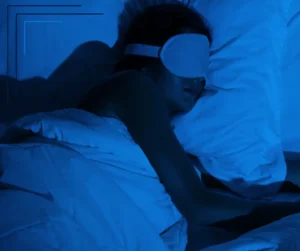
How Tinnitus Affects Daily Life in Sioux Falls and Buffalo
How long does tinnitus last matters for what it costs you day to day. The intrusion reaches well beyond hearing. Our patients across Sioux Falls and Buffalo describe a few effects again and again:
- Sleep suffers first, since quiet rooms make the ringing louder at night
- Concentration slips, as the sound competes with work and conversation
- Mood takes a hit, with stress and the ringing feeding each other
- Quiet winter evenings indoors can make the sound feel more present
These effects are real, and they are also manageable. Naming the impact is the first step toward a plan that fits your life.
Nutrition and Lifestyle: Your Overlooked Tinnitus Levers
How long does tinnitus last can also hinge on daily habits most people overlook. The connection is real and supported by research. Your inner ear depends on strong blood flow and healthy cells. Both respond to your daily choices.
Foods That Help
Antioxidant-rich foods protect inner ear hair cells from stress. Leafy greens, berries, and colorful vegetables all help. Magnesium from nuts and seeds buffers the ear against noise damage. Omega-3 fats from fish and walnuts support circulation. Potassium from bananas and avocados helps inner ear fluid balance. For more, see our guide to foods that support your hearing. Small, steady changes here add up over time.
What to Limit
A few everyday habits can make the ringing feel louder. Use this short list as a gentle guide:
- Excess caffeine can heighten how strongly you perceive tinnitus
- Alcohol shifts inner ear fluid pressure and can amplify the sound
- High sodium raises blood pressure and reduces circulation to the ear
None of these require total elimination for most people. Moderation alone often makes a measurable difference.
Sleep, Exercise, and Stress Management
Daily movement supports circulation, which supports the inner ear. Even a 30-minute walk counts. Stress reduction lowers the brain’s hypervigilance around the signal. Mindfulness and steady sleep schedules both help. Quality sleep is not optional here. It is one of the strongest tools you have.
Proven Strategies for Managing Tinnitus
Once tinnitus moves past the temporary phase, a layered plan works best. No single remedy outperforms a combined approach. The major evidence-based options compare like this:
| Approach | What It Does | Best For | Typical Timeframe |
|---|---|---|---|
| Sound therapy | Eases the contrast between ringing and silence | Sleep and focus struggles | Ongoing daily use |
| Hearing aids | Restore sound input and run tinnitus programs | Tinnitus with hearing loss | Daily wear, relief often early |
| Retraining therapy | Pairs sound with counseling to shift attention | Persistent, bothersome cases | 12 to 24 months |
| Behavioral therapy | Changes your stress response to the sound | High distress and anxiety | Several weeks to months |
Leading clinical bodies back this layered model. The evidence-based tinnitus management guidelines recommend sound therapy and behavioral therapy for bothersome cases.
Sound Therapy
Sound therapy adds soft external sound to reduce the contrast with silence. White noise machines, nature sounds, and low music all work. This is more than masking. Over time, steady sound supports habituation. That is when the brain learns to deprioritize the signal. Modern apps make this easier than ever. Our guide to apps built for tinnitus relief covers several clinically informed options. These tools work best inside a broader care plan.
Tinnitus Retraining Therapy
Retraining therapy combines structured sound with educational counseling. The goal is to move tinnitus out of the brain’s threat category. Your brain learns to filter it like a refrigerator hum. Sessions usually run over 12 to 24 months. The approach has a strong record for reducing severity and distress.
Cognitive Behavioral Therapy
This therapy does not make tinnitus quieter. It changes how you respond to it. A trained therapist helps you reframe negative thought patterns. Many people then feel far less emotional distress. It is widely viewed as the most evidence-backed psychological approach for chronic cases.
How Hearing Aids Help With Tinnitus
Many people with tinnitus also have some hearing loss. For them, hearing aids are often the most immediate tool. When the ear stops straining to catch quiet sounds, tinnitus tends to recede. The devices restore input the brain has been missing.
Modern hearing aids do far more than amplify. Many include dedicated tinnitus programs that deliver sound therapy through the day. The five premium brands we carry all offer this kind of support. Phonak Infinio models pair tinnitus features with AutoSense OS 7.0 automatic environment detection. ReSound Vivia and Nexia pair the in-canal M&RIE microphone with app sound control. Starkey Omega AI adds health tracking alongside its sound tools. Each is available at our locations in Sioux Falls and Buffalo.
Fit and programming are what separate real relief from simple amplification. That is why our approach to tinnitus treatment options always starts with a thorough evaluation. See our guide to the best hearing aids for tinnitus for a closer look. The right match depends on your hearing and your lifestyle.
When to See a Hearing Care Provider in Sioux Falls or Buffalo
Most short-lived tinnitus resolves without help. A few situations call for a prompt local evaluation instead. Watch for these signals:
- Ringing that lasts longer than two weeks with no clear cause
- Sudden tinnitus with no recent noise exposure
- Tinnitus in one ear only, especially if it starts suddenly
- Ringing paired with dizziness, hearing changes, or ear pain
- Pulsatile tinnitus that beats in time with your heartbeat
- Tinnitus that disrupts your sleep, work, or mood
Early evaluation is not an overreaction. It is how treatable causes get caught sooner. Visit our Sioux Falls hearing center or our Buffalo hearing center to get started. Earlier care consistently leads to better outcomes.
Why Choose Stanford Hearing for Tinnitus Care
How long does tinnitus last is the first question. What you can do about it is the better one. Ready to hear better with confidence? Talk with a hearing care provider who listens. For more than 20 years, we have helped neighbors across Sioux Falls and Buffalo. We help you manage tinnitus and hear more clearly.
Here is what you get when you choose our locally owned practice:
- A free consultation to assess your hearing and your symptoms
- A 10-day trial so you can feel the difference before you commit
- Five premium brands, so your fit is based on your needs, not one label
- A price match guarantee for comparison shoppers
- No-interest financing to keep cost from standing in the way
- In-network insurance, including Medicare Advantage, with benefit verification help
- Two convenient locations in Sioux Falls and Buffalo
You do not need to figure this out alone. Schedule a free consultation and we will build a plan that fits your life.
About the Author
Dr. Jade Husby, Au.D. is the Owner and President of Stanford Hearing. She earned her Doctor of Audiology from the University of South Dakota. Her training included a residency in ear, nose, and throat care. For years she has guided tinnitus patients across Sioux Falls and Buffalo. You can meet Dr. Husby and our team and learn how we approach hearing care.
Common Questions About How Long Does Tinnitus Last
Can Tinnitus Go Away Permanently After Years of Having It?
It is possible, though less common once tinnitus has been chronic for a while. Some people do see it resolve, especially when the underlying cause is addressed. At Stanford Hearing, many patients habituate so well the ringing stops bothering them. That happens even when the sound has not fully disappeared.
Does Stress Make Tinnitus Worse?
Yes. Stress activates the nervous system and heightens the brain’s response to the signal. Sleep, exercise, and relaxation all reduce how loud it feels. At Stanford Hearing, we fold stress strategies into every tinnitus plan we build.
Is Tinnitus Worse at Night?
For most people, yes. Quiet rooms remove the daytime sounds that keep ringing in the background. A fan, a white noise machine, or a sound app at bedtime helps. The team at Stanford Hearing can recommend an approach that suits your routine.
Can a Poor Diet Make Tinnitus Worse?
Research supports a connection between cardiovascular health and tinnitus severity. Diets high in sodium, saturated fat, and alcohol can impair circulation. That can worsen the ringing for some people. At Stanford Hearing, we discuss diet as one lever among several.
What Is the Difference Between Subjective and Objective Tinnitus?
How long does tinnitus last can depend on which type you have. Subjective tinnitus, the most common type, can only be heard by you. Objective tinnitus, which is rare, can be detected by a clinician during an exam. It usually traces to a physical source like a vascular irregularity. Stanford Hearing can help identify which type you have.
How Long Does Tinnitus Last After a Concert?
Post-concert tinnitus usually resolves within 16 to 48 hours. Rest your ears during that window and skip more noise. If the ringing continues past 72 hours, see a hearing care provider. Stanford Hearing can check whether a loud night left any lasting mark.