
The Impact of Meniere’s Disease on Hearing and Balance
Updated June 2026
Meniere’s disease can turn an ordinary day upside down with sudden vertigo and shifting hearing. It is a chronic inner ear disorder. There is no cure, yet the symptoms can be managed. In our clinics, we focus on the hearing and balance side. We also coordinate with your doctor on the rest. This guide explains what to expect and how we help.
How Meniere’s Disease Affects the Inner Ear
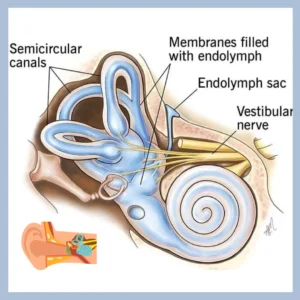
Your inner ear handles two big jobs at once. The cochlea processes sound, and the vestibular system tracks balance. Meniere’s disease disrupts both by changing the fluid inside these structures. Federal health experts tie the symptoms to a fluid imbalance in the inner ear. The affected space is called the labyrinth.
The trouble starts with that fluid, called endolymph. When it builds up, pressure rises and signals to the brain get scrambled. Doctors call this buildup endolymphatic hydrops. Most people notice it in one ear at first. In a smaller share of cases, both ears become involved over time. The result is the mix of symptoms that defines the condition.
The Cochlea and Your Hearing
The cochlea is a spiral organ lined with tiny hair cells. Those cells turn sound into signals your brain can read. Excess fluid pressure can strain and damage them over time. That is why hearing often changes as the condition goes on. Low-pitched sounds tend to blur before higher ones. That early pattern gives us a useful clue.
The Vestibular System and Your Balance
The vestibular system sits right beside the cochlea. It senses head movement and keeps you steady on your feet. Fluid pressure here sends faulty motion signals to your brain. The outcome is vertigo, a spinning feeling even when you are still. Sudden vertigo can also raise your risk of a fall. That makes balance a safety matter, not just a nuisance.
The Symptoms of Meniere’s Disease and What They Mean
Meniere’s disease tends to come in episodes, not a steady state. Symptoms can flare for minutes or hours, then ease again. Knowing what each one signals helps you act sooner.
Here is how the core symptoms tend to show up:
| Symptom | What It Means | Sensible Next Step |
|---|---|---|
| Spinning vertigo | Fluid is disrupting balance signals | Sit or lie down safely, then track it |
| Fluctuating hearing | Pressure is affecting the cochlea | Note which ear and when it happens |
| Ringing or roaring | Tinnitus tied to inner ear changes | Log the sound and any triggers |
| Ear fullness | Pressure building in one ear | Mention it at your next visit |
| Sudden drop attacks | A severe balance disruption | Seek prompt medical care |
These patterns vary from person to person. A symptom journal makes them far easier to spot.
A few details worth noting about the symptoms:
- Vertigo episodes often last from twenty minutes to several hours.
- Hearing usually changes in one ear first.
- Tinnitus and ear fullness may warn you before an episode.
Track these clues and share them with your care team. Patterns guide better management over time.
How Hearing Loss Progresses Over Time
Hearing change is one of the hardest parts of this condition. Early on it tends to fluctuate, which can be confusing. Over the years it can settle into a more lasting loss.
How hearing tends to shift across the condition:
| Stage | What Hearing Does | Why It Matters |
|---|---|---|
| Early | Drops during episodes, then rebounds | Easy to dismiss as temporary |
| Ongoing | Episodes grow more frequent | Low-pitch sounds fade first |
| Long term | Loss becomes more permanent | Often sensorineural in nature |
The pattern is rarely a straight line. That unpredictability is part of what makes monitoring important.
From Fluctuating Loss to Lasting Change
In the early stage, hearing may dip during an episode and return afterward. That rebound can mask the slow trend underneath. Many patients tell us the swings feel unpredictable. One week sounds are clear, the next they muffle. We track those swings so the trend cannot hide. As episodes stack up, the dips can become permanent.
Why It Becomes Sensorineural
Over the long term, the damage reaches the cochlea and nerve pathways. This produces sensorineural hearing loss, which is typically permanent. It makes faint sounds and speech in noise harder to follow. Early monitoring helps us respond before the loss settles in. Catching that shift early gives us more options to help.
What Raises Your Risk
The exact cause is still unknown, which frustrates patients and researchers alike. Several factors appear to raise the odds, though none guarantee it. We share these so you can spot your own risk, not to alarm you.
Factors researchers most often point to:
- Age, since it most often begins between 40 and 60.
- A family history of the condition.
- Autoimmune conditions such as lupus or rheumatoid arthritis.
- A history of inner ear problems or migraine.
Having one risk factor does not mean you will develop it. Many people with these traits never do.
Meniere’s disease is also one of several conditions that affect hearing. Sorting out which one you have starts with a proper evaluation.
Managing Meniere’s Disease
There is no cure, but a good plan can calm the symptoms. Most people do best with a mix of medical care and daily habits. Patience helps, since the right mix often takes time to find. The goal is fewer episodes and steadier hearing and balance.
A quick map of the main management approaches:
| Approach | What It Targets | Who Guides It |
|---|---|---|
| Medication | Vertigo and fluid pressure | Your physician |
| Lifestyle changes | Triggers like salt and stress | You, with provider input |
| Hearing aids | Hearing loss and tinnitus | Our hearing care providers |
| Ongoing monitoring | Changes over time | Your full care team |
Each approach plays a part, and they work best together.
Medical Care Your Doctor May Provide
Your physician leads the medical side of treatment. Trusted resources outline how this condition is diagnosed and treated, from hearing tests to medication. We work alongside that plan, never in place of it.
Common medical approaches include:
- Medications that ease vertigo and nausea during episodes.
- Diuretics that some doctors use to reduce fluid pressure.
- Procedures that specialists may consider in severe cases.
Never start or stop a medication on your own. Your doctor weighs the options with your full history.

Everyday Habits That May Help
Lifestyle choices support the medical plan rather than replace it. Many patients find that steady routines reduce their flare-ups. Triggers differ from person to person, so personal tracking matters. Your provider can tailor these to your situation.
Habits patients often find useful:
- A lower-sodium diet, if your medical team suggests one.
- Limiting caffeine and alcohol, which can affect fluid balance.
- Steady sleep and stress reduction to ease triggers.
- A safer home setup to lower fall risk during vertigo.
Small, consistent changes tend to help most. Track what works in your symptom journal.
Hearing Aids and Tinnitus Support
When hearing loss becomes more stable, hearing aids can help. They restore access to soft sounds and improve speech clarity. Many models also include tinnitus management options built in. We fit and fine-tune modern hearing aids to match your changing hearing. Hearing needs can shift between visits with this condition. So we re-check and re-tune more often than usual.
How We Help With Meniere’s Disease in Sioux Falls and Buffalo
Diet and medication address the disease itself. The hearing and balance impact needs its own care. In our Sioux Falls and Buffalo clinics, that is exactly where we focus. We become your steady partner as the condition shifts over time. Your first visit is relaxed and thorough. We measure your hearing, talk through your episodes, and explain what we find. Then we set a monitoring schedule that fits your life. We can also flag when a new symptom warrants a faster medical visit.
Our role on your care team includes:
- A comprehensive hearing evaluation to map your hearing.
- Regular monitoring to catch changes between episodes.
- Hearing aids and tinnitus support tuned to your needs.
- Coordination with your physician or ENT on the bigger picture.
Some signs call for prompt attention rather than waiting:
- Sudden hearing loss in one ear.
- Severe vertigo with vomiting or a fall.
- New one-sided ringing with ear fullness.
Do not wait on those signs. Quick care protects both your hearing and your safety.
Living Day to Day With Meniere’s Disease
The unpredictable nature of this condition can wear on you. A few practical habits make daily life feel steadier and safer. They also ease the worry that an episode brings.
Steps that help many patients cope:
- Keep a clear path through your home to prevent falls.
- Sit down at the first hint of vertigo.
- Tell close family and coworkers what to expect.
- Plan rest after a hard episode, since fatigue often follows.
None of this replaces medical care. Still, small routines give back a real sense of control.
Why Choose Stanford Hearing
You do not have to face Meniere’s disease without local support. We have served Sioux Falls and Buffalo for over 20 years, locally owned throughout. Our team listens, explains, and guides you at every step. Ready to hear better with confidence?
When you visit us, you get:
- A free consultation with a hearing care provider who listens.
- A 10-day trial, so you can try before you commit.
- Five premium brands, matched to your needs, not a sales quota.
- A price match guarantee on comparable devices.
- No-interest financing to ease the cost.
- In-network insurance, including Medicare Advantage, with benefit verification.
- Two convenient locations, our Sioux Falls hearing center and our Buffalo hearing center.
Take the next step today and schedule a free consultation. We will help you protect your hearing and your peace of mind.
About the Author
Dr. Jade Husby, Au.D., is the Owner and President of Stanford Hearing. She earned her Doctor of Audiology at the University of South Dakota. Her training also included an ENT residency. For years, she has cared for patients across Sioux Falls and Buffalo. You can meet our Sioux Falls hearing care team to learn more about her background.
Common Questions About Meniere’s Disease
Is There a Cure for Meniere’s Disease?
No. There is no cure, but the symptoms can be managed well. A steady plan can reduce how often and how hard episodes hit. Stanford Hearing handles the hearing and balance side of that plan.
Can Hearing Aids Help if Meniere’s Affects My Hearing?
Often, yes. Once hearing loss stabilizes, hearing aids can restore clarity. Many also include features that ease tinnitus during the day. Stanford Hearing fits and adjusts them as your hearing changes.
Does It Always Cause Permanent Hearing Loss?
Not always. Early hearing changes often come and go between episodes. Over time, loss can become more permanent for some people. Stanford Hearing monitors your hearing so we can act early.
Should I See a Hearing Care Provider or My Doctor First?
See both, in coordination. Your doctor manages the disease, while we manage its hearing impact. Starting with a hearing evaluation gives everyone a clear baseline. Stanford Hearing then shares results with your medical team.
Can Stress or Diet Trigger Symptoms?
They can. Stress, salt, caffeine, and poor sleep are common triggers for many people. Tracking them helps you avoid the worst flare-ups. Stanford Hearing can review your journal and guide your next steps.