
Audiologist in Buffalo, MN
You have finally decided to do something about your hearing. Then comes the hard part: choosing who to trust. Plenty of Buffalo folks search “audiologist buffalo mn” online and feel unsure where to start. In a smaller market, you might worry your options are thin. Happily, fewer choices can make a careful decision easier. This guide gives you a plain buyer’s checklist, plus the questions that protect you. Start by getting to know our Buffalo hearing team.
The Short Version
These points matter most when you shop for hearing aids near you:
- A licensed provider who tests your hearing and explains the results.
- Real-ear measurement, so the fit matches your actual hearing.
- More than one brand, so the advice fits you, not a catalog.
- A real trial period, so you can wear them before you commit.
- Local follow-up and repairs, not a mail-in wait.
Stanford Hearing offers all of that at our Buffalo, MN office. We keep the pressure low and the guidance honest. Read on for the full checklist and the questions to ask.

Audiologist vs Hearing Care Provider: What the Titles Mean
Titles in this field confuse a lot of shoppers. Two kinds of licensed professionals fit hearing aids. An audiologist holds a doctoral degree and can diagnose and manage hearing and balance disorders. A hearing instrument specialist holds a state license to test hearing and fit aids. Both must pass exams and hold a license to practice. Ask any clinic which license and certifications their providers hold. A confident answer is a good sign.
The right choice depends on your situation. For most age-related hearing loss, either can serve you well. What matters more is the testing, the fitting, and the follow-up. One red flag: a provider who skips the test and rushes to a sale. Here is a quick comparison:
| Role | Training | Best suited for |
|---|---|---|
| Audiologist | Doctoral degree (Au.D. or equivalent) | Complex loss, balance issues, medical questions |
| Hearing instrument specialist | State-licensed, board-certified in fitting | Routine hearing aid testing and fitting |
A Doctor of Audiology leads Stanford Hearing, and a licensed provider staffs our Buffalo office. Each one can test your hearing and fit your aids with care. The difference shows up most with complex or medical cases. For a first pair of everyday hearing aids, both can do a great job.
What to Look for in an Audiologist Buffalo MN Residents Can Trust
Good clinics show their quality in small ways. When you look for an audiologist Buffalo MN has fewer options than a big city. That smaller field helps you compare carefully. Focus on these green flags:
- A full hearing test, not a quick screen, before any recommendation.
- Real-ear measurement that verifies the fit in your ear.
- Several brands on offer, so the advice is not tied to one maker.
- A written trial period with clear return terms.
- In-house cleaning, service, and minor repairs.
- Clear insurance help and no pressure to decide today.
Our questions to ask at a fitting go deeper on each point. Trust the clinic that welcomes those questions. A good clinic treats that list as a conversation, not a threat. You deserve answers, not a sales script.
Red Flags to Watch For
A few warning signs should make you pause. Good clinics welcome questions and never rush you. Watch out for these habits when you shop:
- A hard push to sign today, before you have thought it over.
- Only one brand on offer, with no honest alternatives.
- No hearing test before a specific recommendation.
- Vague answers about cost, returns, or repairs.
- Little talk of follow-up after the sale.
None of these proves a clinic acts in bad faith. Still, they signal a sales focus over your hearing. Walk in with this list and you stay in control. A calm, patient clinic earns your business the right way.
Questions to Ask Before You Buy
The right questions save you money and regret. Before you buy, ask any provider a few direct things. The NIDCD offers a helpful checklist of questions to ask before buying. Bring these to your appointment:
- Which features fit my daily life best?
- What is the full cost, including the fitting and follow-up?
- Is there a trial period, and what is refundable?
- How long is the warranty, and does it cover repairs?
- Who handles adjustments and repairs, and how fast?
Write down the answers and compare them across clinics. Any provider who answers plainly has nothing to hide.
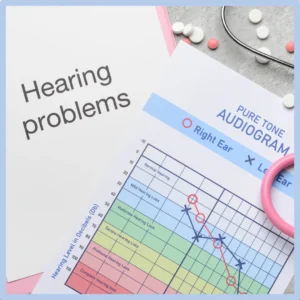
Understanding Your Hearing Test Results
A hearing test produces a chart called an audiogram. It shows the softest sounds you can hear across pitches. Your provider should walk you through it in plain words. Knowing your results helps you judge every recommendation that follows.
A few basics make the chart easier to read:
- Marks near the top mean milder loss.
- Lower marks mean you need more help.
- Each ear gets its own line.
Most age-related loss affects high pitches first, like consonants. That is why speech can sound muffled in noise. Ask your provider to tie your chart to your daily struggles. That link turns a confusing chart into a clear plan.
When You Need More Than a Hearing Aid
Not every hearing problem calls for a hearing aid. Some signs point to a medical cause worth checking first. See a physician promptly if you notice any of these:
- Sudden hearing loss in one ear, over hours or days.
- Pain, drainage, or pressure in one ear.
- Ringing or dizziness that starts out of nowhere.
- Hearing that drops fast after an illness or injury.
These red flags need a medical exam, not just a fitting. A good clinic will pause and refer you when something looks off. Stanford Hearing sends you to the right specialist when your ears need one. Your safety comes before any sale.
What Fitting and Follow-Up Include
The fitting is where good hearing care proves itself. A device set to a generic curve rarely sounds right. Real-ear measurement checks the sound inside your own ear canal. Your provider then tunes each frequency to your test results. That step separates a careful clinic from a quick sale. Skipping real-ear measurement is like buying glasses without an eye exam.
Follow-up matters just as much as the first fit:
- Your first tune-up usually comes within two weeks.
- We solve small comfort and feedback issues fast.
- Regular checks keep the aids working as your hearing shifts.
Ask whether these visits cost extra or come included. At Stanford Hearing, we build that support into your care. You should never feel alone after the sale. Great fitting and steady care make hearing aids worth it.
Why Local Care Wins in Buffalo
Buffalo gives you two main paths: a national chain or a locally owned clinic. Neither wins by default. Still, day-to-day care favors staying close to home. Hearing aids need regular tuning, cleaning, and small repairs. A clinic an hour away turns each visit into half a day.
Ask any clinic the same practical questions:
| Question to ask | Why it matters |
|---|---|
| How many brands do you carry? | More brands mean advice fits you, not one catalog |
| Do you repair aids on-site? | On-site repair means shorter waits, no shipping |
| Will I see the same provider? | Continuity means steady, personal follow-up |
| Is the clinic locally owned? | Local owners answer to neighbors, not a head office |
Those answers tell you a lot in a few minutes. Stanford Hearing stays locally owned and carries five premium brands. We handle hearing aid repairs in our own office, not in another state. Better hearing is a long relationship, and staying local keeps it easy. A five-minute drive beats an hour when a dome pops off.
Cost and Insurance in Buffalo
Price worries stop many people from getting help. Costs vary with technology, features, and the level of care included. We do not post prices online, because the right device depends on your hearing. What we can promise is a clear, itemized estimate before you decide. That estimate lists the device, the fitting, and the follow-up.
Insurance can lower the cost more than people expect:
- Many plans include a hearing benefit you may not know about.
- Medicare Advantage plans often help with devices.
- Financing can spread the cost into monthly payments.
We verify your insurance benefits for you and explain what applies. A price match keeps our pricing honest against comparable devices. We would rather earn trust than push a number.

An audiologist talks to a man about his hearing aid.
Booking a Visit in Buffalo
Getting started is easier than most people fear. A first visit is mostly listening and testing, not selling. You talk through your hearing struggles and your daily life. Then a hearing test maps exactly where you need help. You leave with clear options, and no obligation to buy.
A first visit usually includes these steps:
- A friendly conversation about your goals and history.
- Time for a complete hearing evaluation, at no cost.
- Plain-language results you can understand.
- Honest next steps, only if you want them.
Book a free hearing evaluation at a time that suits you. Our Buffalo office sits right on Highway 55. Free parking and a friendly welcome come standard. Bring a family member if you would like a second set of ears. They often catch questions you forget to ask.
Why Choose Stanford Hearing
Ready to hear better with confidence? You now know the questions worth asking, so bring them to us. For more than 20 years, we have served Sioux Falls and Buffalo. A Doctor of Audiology leads our team, and a licensed provider cares for Buffalo patients. You get all of this with us:
- Free consultation: a full evaluation and honest guidance, no pressure.
- 10-day trial: wear your hearing aids in real life before you commit.
- Five premium brands: Phonak, ReSound, Starkey, Oticon, and Unitron.
- Price match guarantee: we match competitor pricing on comparable devices.
- No-interest financing: options that spread the cost out.
- In-network insurance: we verify your benefits and file the claims.
Visit our Buffalo, MN center or our Sioux Falls center. You can schedule a free consultation whenever you are ready.
Your Questions About Finding an Audiologist Buffalo MN
Do I Need a Referral to Get Hearing Aids in Buffalo?
Booking a hearing evaluation with us needs no referral. Call Stanford Hearing and come straight in. A doctor’s referral matters mainly when your loss has a medical cause. In those cases, we help you find the right physician first.
Does Stanford Hearing Have an Office in Buffalo, MN?
Yes, our Buffalo office is on Highway 55, in the Northland Title Building. You can get a hearing test, a fitting, and ongoing care there. Stanford Hearing serves Buffalo and the wider Wright County area. We serve nearby towns like Monticello, Delano, and Rockford too. Call us to book a free consultation close to home.
Can I Try Hearing Aids Before I Buy in Buffalo?
Yes, and a trial ranks among the smartest ways to shop. Stanford Hearing offers a 10-day trial, so you test them in real settings. Wear them at home, at church, and in noisy rooms. If they are not right, you bring them back. A real trial removes the guesswork before you spend.
What Should I Bring to My First Buffalo Appointment?
Bring your insurance card and a list of your medications. Note the situations where hearing gets toughest, like restaurants or church. A family member can help you remember questions and answers. Stanford Hearing walks you through the rest at your visit.
Are Local Hearing Aids Worth More Than Online or OTC Options?
Online and OTC aids can suit mild, simple hearing loss. They come without testing, fitting, or follow-up, though. A local clinic tunes the aids to your ears and adjusts them over time. Stanford Hearing pairs that care with a price match, so local does not mean overpriced. Ask us to compare an OTC option with a fitted pair for you. We give you the honest tradeoffs before you decide.