
Muffled Hearing: Common Causes and When to Worry
Updated June 2026
That underwater, cotton-in-the-ears feeling has a name. It is muffled hearing. Sounds still reach you, but they arrive dull, distant, or blurred. It can hit after a loud concert or creep in slowly over months, and most cases clear on their own.
A few do not, though, and knowing the difference protects your hearing. Some causes are simple and temporary. Others are worth a prompt professional look. Here is how to tell them apart.
When Should You Worry About Muffled Hearing?
Most muffled hearing is harmless and fades with time. One situation calls for fast action. Sudden muffled hearing in one ear, with no clear cause, needs urgent attention. Hearing experts treat sudden, unexplained hearing loss in one ear as a medical emergency. Care within a few days greatly improves the odds of recovery. If that happens, call us right away. We will get you in as soon as we can.
Outside that, a check is wise when any of these show up:
- Muffled hearing lasts more than a week with no improvement
- It affects one ear only, with no cold or wax to explain it
- Ringing, dizziness, or balance trouble comes along with it
- Clarity has slowly faded over months of conversations
None of these mean panic. They simply mean a professional look is worth your time. Our post on myths and facts about sudden hearing loss sorts the urgent from the harmless.

How Long Does Muffled Hearing Last?
The answer depends entirely on the cause. Muffling from a cold or brief noise often clears within days to two weeks. Wax-related muffling clears fast once a provider removes the buildup. Permanent causes, like age-related hearing loss, do not resolve on their own, though they respond well to treatment. This quick guide maps the common causes to their usual timelines.
| Cause | Typical Duration | Resolves on Its Own? |
|---|---|---|
| Earwax buildup | Hours to days after removal | Yes, with proper removal |
| Cold or congestion | 1 to 2 weeks | Usually |
| Allergy-related | Varies with congestion | Often |
| Ear infection | 1 to 2 weeks with care | Sometimes, may need treatment |
| Noise (temporary) | 24 to 48 hours | Yes, if brief |
| Age-related loss | Ongoing | No, managed with hearing aids |
| Meniere’s disease | Minutes to hours per episode | Episodes pass, condition stays |
| Medication-related | Varies, can be lasting | Sometimes, if the drug changes |
When muffling outlasts the window above, that is your cue to check in.
What Muffled Hearing Feels Like
Muffled hearing is not the same as full hearing loss. You still pick up sound. It just loses its sharpness. People tend to describe it in familiar ways:
- Like listening through a closed door or a thick blanket
- A plugged or full feeling in one or both ears
- Voices that seem farther away than they should
- Trouble catching words even when the volume seems fine
If these linger past a few days, note when they started. Our guide to the odd sounds your ears can make can help you put a name to it.
Common Causes of Muffled Hearing
Most muffled hearing traces back to a handful of familiar culprits. Here is what tends to be going on.
Earwax Buildup
Earwax protects the ear canal, but too much blocks it and dulls sound. This is one of the most common and most fixable causes. A provider clears it safely, and relief usually comes fast. Skip the cotton swab, which often pushes wax deeper. See our overview of professional earwax removal for the safe options.
Allergies and Sinus Congestion
Allergies and sinus infections swell the Eustachian tubes. Those small passages balance pressure behind the eardrum. When they close up, sound struggles to get through. This kind of muffling tracks your congestion and eases as the inflammation settles.
Colds and Respiratory Infections
A head cold is a classic trigger for that stuffed-up feeling. Congestion presses on the Eustachian tubes and changes how sound reaches the eardrum. For most people, hearing returns to normal within a week or two.
Ear Infections
Middle ear infections fill the space behind the eardrum with fluid, which dampens sound. They often bring pain, pressure, or fullness. Some clear without treatment, but a painful or lingering infection deserves a medical look.
Noise Exposure
Loud noise can damage the hair cells in the inner ear. Think a concert, power tools, or a single close blast. Right after exposure, muffling is common and usually fades within a day or two. Repeated exposure can cause lasting damage that does not fully reverse. Hearing protection is far easier than undoing the harm later.
Age-Related Hearing Loss
Age-related hearing loss, or presbycusis, often shows up first as a dulling of high-pitched sounds. Voices can seem muffled, especially in a noisy room. It builds slowly, so many people adjust without noticing how much clarity has slipped.
Certain Medications
Some medications are ototoxic, meaning they can harm the inner ear. The list includes certain antibiotics, chemotherapy drugs, diuretics, and high doses of aspirin or ibuprofen. If your muffled hearing started near a new prescription, tell your prescriber. Our post on common medications that affect hearing goes deeper.
Meniere’s Disease
Meniere’s disease brings episodes of muffled hearing, tinnitus, vertigo, and ear pressure. Episodes can last minutes to hours and arrive without warning. There is no cure, but the right care plan often keeps symptoms in check.
Less Common Causes Worth Knowing
A few rarer causes also produce muffled hearing and deserve a mention. Keep these on your radar even though they are uncommon.
- Otosclerosis, an abnormal bone growth in the middle ear that slowly reduces sound conduction
- Acoustic neuroma, a benign nerve tumor that can cause one-sided muffling or tinnitus
- Perforated eardrum, a tear that disrupts sound, though many heal on their own
- Autoimmune inner ear disease, where the immune system attacks inner ear tissue
- TMJ disorders, which create ear fullness that people sometimes mistake for hearing loss
Some systemic conditions affect hearing too. Our post on diseases that can cause hearing loss explores those.
What to Do About Muffled Hearing
Waiting it out is fine for a cold or a brief ringing after a concert. The trick is knowing when to wait and when to act. This comparison helps you decide.
| You Can Usually Wait If | Check In Sooner If |
|---|---|
| It followed a cold and is clearing | It has lasted more than a week |
| It eased within a day or two of loud noise | It is sudden and in one ear |
| Both ears feel equally plugged with congestion | Tinnitus, dizziness, or pain comes with it |
When in doubt, a short visit settles the question. For the temporary causes, a few safe steps can speed relief:
- Treat the cold or allergy blocking your tubes
- Try gentle yawning or swallowing to equalize pressure
- Give brief noise-related muffling a day or two to settle
- Skip cotton swabs and home wax removal gadgets
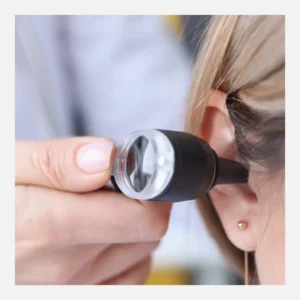
If none of that helps within a week, book a check. A comprehensive hearing test is quick, painless, and noninvasive. It takes about 30 to 45 minutes and answers a lot in one visit. Think of it like a vision check for your ears, sensible whenever things seem off. Catching a change early almost always means more options later.
One myth worth busting: ear candling does not clear wax. It can burn you or push debris deeper. Our post on why ear candling does not work covers safer choices.
Why Choose Stanford Hearing When Sound Turns Muffled
When muffled hearing sticks around, the fastest route to clarity is a professional look. For more than 20 years, our locally owned practice has served Sioux Falls and Buffalo, MN. A sudden change in one ear is the one time to move quickly, so call us right away and we will fit you in as soon as we can.
Here is what you get with us at our Sioux Falls hearing center or our Buffalo office:
- A free consultation and a 10-day trial, so you decide with confidence
- Five premium brands, a price match guarantee, and no-interest financing
- In-network insurance, including Medicare Advantage, plus benefit verification
- Two locations, whichever sits closer to you
Ready to hear clearly again? Talk with a hearing care provider who listens. Schedule a free consultation and we will sort it out together.
About the Author
Dr. Jade Husby, Au.D., Owner and President of Stanford Hearing
Dr. Jade Husby is the Owner and President of Stanford Hearing. Her passion for healthcare began young, driven by her joy in helping others. She grew up in Dakota Dunes, SD. Both her Bachelor’s and Doctorate come from the University of South Dakota. Her residency followed at an Ear, Nose, and Throat clinic in Maryville, TN. Today she pours her time and energy into her patients. Her goal is simple. Every patient should feel like part of the Stanford Hearing family.
Frequently Asked Questions About Muffled Hearing
Can Stress or Anxiety Cause Muffled Hearing?
Stress is not a direct cause. It can sharpen tinnitus and make you more aware of small changes in your ears. If muffling comes with tension, a physical cause is still worth ruling out. Stanford Hearing can sort out what is ear-related and what is not.
Will Hearing Aids Fix Muffled Hearing?
It depends on the cause. When permanent hearing loss drives the muffling, well-fitted hearing aids restore real clarity. If wax or congestion is behind it, you will not need them at all. At Stanford Hearing, we find the cause first, then recommend only what actually helps.
Where Can I Get Muffled Hearing Checked in Sioux Falls or Buffalo?
Stanford Hearing has two clinics ready to help, one in Sioux Falls and one in Buffalo, MN. Each visit starts with a free consultation and a painless hearing check. Pick whichever location is closer, and we handle the rest.
How Fast Should I Be Seen for Sudden Muffled Hearing?
A sudden drop in one ear should be treated as urgent. Call Stanford Hearing right away rather than waiting it out, and we will get you in as quickly as we can. Gradual muffling can wait until it passes the one-week mark.