
The Science of Ear Wax: Why Removal is Sometimes Necessary
Updated May 2026
Ear wax removal sounds like a small thing. For many patients, it’s the difference between clear hearing and a muffled world. We help patients with safe, professional ear wax removal every week. Our offices in Sioux Falls and Buffalo, MN see this issue daily. Knowing when wax becomes a problem makes a real difference.
What Ear Wax Actually Does
Ear wax has a bad reputation it doesn’t deserve. The medical name is cerumen, and your body produces it for good reasons.
Wax serves several jobs at once:
- It traps dust, dirt, and small debris before they reach the eardrum.
- It moisturizes the skin of the ear canal.
- It carries antimicrobial and antifungal properties that fight infection.
- It slowly migrates outward, taking trapped debris with it.
Most ears handle this process on their own. Chewing and talking help push old wax toward the outer ear, where it falls away naturally. You don’t need to clean it. Digging for it only causes problems. Your ears handle the job without help.
So when does wax become a problem? When the natural cleaning system breaks down.
When Ear Wax Becomes a Problem
For some people, wax stops moving the way it should. It hardens, builds up, and blocks the canal. The medical term is cerumen impaction. It’s more common than most patients realize.
Several factors raise your risk of impacted wax:
- Older age, since wax glands produce drier, harder secretions
- Narrow or unusually shaped ear canals
- Frequent cotton swab use, which pushes wax deeper
- Regular hearing aid or earbud use, which blocks outward migration
- Skin conditions like eczema or psoriasis in the ear canal
- A history of repeated wax buildup
When wax blocks the canal, you may notice symptoms that mimic other ear problems. That overlap is why professional evaluation matters. The right diagnosis happens before treatment, not after.
Symptoms That Suggest You Need Ear Wax Removal
Wax buildup creates a predictable set of symptoms. Most patients notice one or two before seeking help.
| Symptom | What it feels like |
|---|---|
| Muffled or reduced hearing | Sounds feel distant or underwater |
| Fullness or pressure in the ear | A blocked or “stuffed” sensation |
| Earache or mild pain | Dull discomfort, often worse at night |
| Tinnitus | Ringing, buzzing, or whooshing |
| Itchiness inside the canal | Persistent irritation |
| Mild dizziness | A sense of imbalance |
| Odor or unusual drainage | Less common, but a clear signal |
These symptoms also overlap with infections, allergies, and some types of hearing loss. That overlap is why home guesswork backfires. A quick look in the ear canal answers the question in seconds.
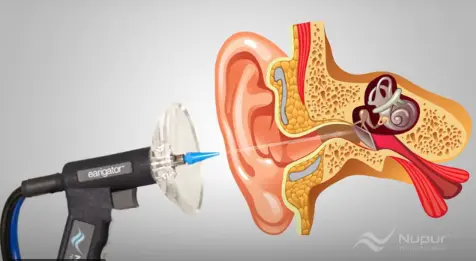
The Three Methods of Professional Ear Wax Removal
When wax needs to come out, hearing care providers use one of three methods. The right choice depends on wax consistency, ear canal shape, and your medical history.
| Method | How it works | Best for | Considerations |
|---|---|---|---|
| Irrigation | A gentle stream of warm water or saline flushes the canal | Soft to moderate wax buildup | Not suitable for eardrum perforations or recent ear surgery |
| Manual removal | Small tools like curettes and forceps remove wax under direct visualization | Hard or impacted wax that resists flushing | Requires steady technique and clear visibility |
| Microsuction | A small low-pressure suction device vacuums wax out | All wax types, especially deep buildup | Often the most comfortable and precise option |
Each method has a place. We choose the approach that fits your situation, not a one-size-fits-all protocol. Many appointments combine techniques. Softening drops often come first, followed by microsuction or manual removal.
What to Expect at Your Ear Wax Removal Appointment
The visit is shorter and easier than most patients expect. Here’s how a typical appointment unfolds.
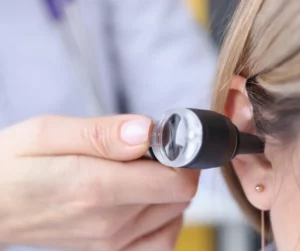
Step 1: Examination. We use an otoscope to look inside the ear canal. The view shows wax amount, location, and eardrum health. The exam takes a minute or two.
Step 2: Method selection. Based on what we see, we explain which removal technique fits best. You’ll know what’s happening before anything starts.
Step 3: Removal. The procedure usually takes 5 to 15 minutes per ear. Most patients feel only a mild sensation. Irrigation feels cool, and microsuction makes a quiet whoosh.
Step 4: Sound check. With the wax cleared, sounds often feel suddenly bright or even loud. That’s normal. Your brain takes a day or two to recalibrate.
Step 5: Aftercare guidance. We send you home with simple instructions. The goal is keeping the canal healthy and preventing future buildup.
That’s it. No anesthesia. And no downtime. No reason to dread the appointment.
Ear Wax and Hearing Aids: Why This Matters More Than People Realize
Hearing aid wearers face wax issues at a higher rate than the general population. The device sits in or near the ear canal. That position interrupts the natural outward migration of wax. Wax then collects against the receiver, the dome, or the microphone ports.
The effects show up in three ways:
- Sound quality drops. Wax muffles output the same way it muffles natural hearing.
- Feedback increases. Trapped wax creates pressure that causes whistling and squealing.
- Device lifespan shortens. Moisture and wax together degrade components faster than either alone.
We treat wax management as part of hearing aid maintenance, not a separate concern. Patients who book regular wax checks see better long-term hearing aid performance.
A few practical tips for hearing aid wearers:
- Wipe your devices each night before placing them in the charger.
- Replace wax guards on the schedule your provider recommends.
- Schedule professional ear checks at least twice a year.
- Report any sudden change in sound quality right away.
We see this every week. A patient comes in convinced their hearing aids are failing. The real culprit is often a small wax plug or a clogged wax guard. Fifteen minutes later, the devices sound brand new again.
What Not to Do at Home
The phrase “don’t put anything smaller than your elbow in your ear” still holds up. Home methods cause more impaction problems than they solve.
These approaches deserve a clear pass:
- Cotton swabs. They push wax deeper and can scratch the canal lining.
- Ear candles. Major medical organizations warn against them. They don’t work, and they cause burns.
- Bobby pins, paper clips, keys. Self-explanatory. Don’t.
- High-pressure ear washing kits. Without proper technique, these can rupture the eardrum.
- Aggressive irrigation right after a cold. Pressure changes complicate the picture.
Softening drops are different. A Cochrane review of ear drops for wax removal found that softening drops can help clear partial blockages. No specific formulation clearly outperformed plain water or saline. Drops can soften wax safely, but they don’t replace professional evaluation. Persistent symptoms still warrant a visit.
If symptoms continue for more than a few days, come in.
When to See a Professional Right Away
Most wax issues are routine. A few situations deserve faster attention.
| Situation | Why it matters |
|---|---|
| Sudden hearing loss in one or both ears | Could be wax, but could also be time-sensitive |
| Severe ear pain | May signal infection, not just wax |
| Drainage of fluid or blood | Always warrants prompt evaluation |
| History of eardrum perforation or ear surgery | Home methods carry real risk |
| Persistent dizziness or balance issues | Worth ruling out other causes |
| Hearing aid users with sudden device changes | Often wax, but worth a quick check |
A professional hearing test can confirm whether symptoms come from wax or from real hearing loss. The two often coexist. Treating one without the other leaves you only partway to better hearing.
For patients dealing with persistent ringing, impacted wax sometimes plays a role. Our approach to tinnitus starts with ruling out simple causes like wax. Deeper management strategies follow if needed.
How to Prevent Ear Wax Buildup
You can’t stop your ears from making wax. The goal is keeping production and removal in balance.
A few habits help:
- Skip the cotton swabs for inside the canal.
- Use them only on the outer ear if you must.
- Dry your ears gently after showers and swimming.
- Schedule routine ear checks if you’ve had buildup before.
- Keep hearing aids and earbuds clean and dry.
- Mention wax tendencies during your annual hearing care visit.
Some patients benefit from a maintenance schedule, often every 6 to 12 months. We can recommend a cadence that fits your production rate.
Schedule Ear Wax Removal at Stanford Hearing
We’ve spent more than 20 years helping patients in Sioux Falls and Buffalo, MN. Ear wax removal is one of the most common reasons people visit us. It’s also one of the most rewarding services to provide. The relief on a patient’s face when sound returns is hard to beat.
When you visit us, you’ll get:
- A free consultation with a hearing care provider who listens first
- Our 10-day trial period for any hearing aid recommendation
- Access to all five major brands: Phonak, ReSound, Starkey, Oticon, and Unitron
- A price match guarantee on the hearing aid brands we carry
- No-interest financing options for hearing technology
- Help verifying your insurance benefits, including Medicare Advantage
- Two convenient locations in Sioux Falls, SD and Buffalo, MN
Ready to feel the world come back into focus? Schedule a free consultation and we’ll take care of you.
Frequently Asked Questions About Ear Wax Removal
How often should I get my ears cleaned professionally?
For most patients, once or twice a year works well. Some people produce wax quickly or have narrow ear canals. Hearing aid wearers also tend to need more frequent visits. Your provider can suggest a schedule at your first appointment.
Does ear wax removal hurt?
No, it shouldn’t. Most patients describe the sensation as mild and brief. Microsuction makes a quiet whooshing sound. Irrigation feels cool, and manual removal causes only light pressure. Tell your provider right away if anything feels uncomfortable.
Can ear wax cause permanent hearing loss?
Wax itself rarely causes permanent damage. The hearing loss it creates is temporary and resolves with removal. The real risk comes from improper home removal attempts. Long-term untreated impaction can also lead to infection. Timely professional care prevents both outcomes.
Is ear wax removal covered by insurance?
Coverage varies by plan and reason for the visit. Many plans cover wax removal when it causes symptoms like hearing loss or pain. We help patients verify benefits before the appointment. That way there are no surprises.
What’s the difference between irrigation, microsuction, and manual removal?
Irrigation flushes the ear with warm water or saline. Microsuction uses gentle suction to vacuum wax out. Manual removal uses small tools like curettes under direct visualization. Each has different strengths. The right choice depends on the wax and your ear anatomy.
Are over-the-counter ear drops safe to use?
For most healthy adults, softening drops are safe when used as directed. Some patients should skip drops until a provider clears them. This includes anyone with eardrum perforations, recent ear surgery, or active infections. Always follow package instructions and stop if you feel pain.
Can hearing aid users get ear wax removed in the same visit as a device check?
Yes, and we recommend it. Combining the two visits saves time. We can also check whether wax affects device performance. Most hearing aid wearers benefit from this combined approach.
How do I know if my hearing problems are from wax or something else?
You can’t always tell on your own, since symptoms overlap with many issues. A quick otoscope exam answers the question in under a minute. If wax isn’t the cause, a hearing test points to what is.