
The Connection Between Hearing Loss and Exercise
Updated January, 2026
Your workout routine does more than build muscle and boost cardiovascular health. Research shows that regular physical activity directly influences your hearing health in ways many people never consider. Understanding the connection between hearing loss and exercise can help you protect your ears while staying active.
The relationship works both ways. Exercise can support better hearing through improved circulation and reduced inflammation. At the same time, untreated hearing loss often leads to decreased physical activity. Meanwhile, certain workout environments pose real risks to your auditory system.
Let’s explore how to maximize the hearing benefits of exercise while minimizing potential risks.
How Exercise Supports Healthy Hearing
Physical activity delivers oxygen-rich blood throughout your body, including the delicate structures of your inner ear. This research demonstrates that regular exercise correlates with better hearing outcomes across age groups.
Your inner ear relies on tiny hair cells to convert sound waves into electrical signals. These cells need consistent blood flow to function properly. When you exercise, you improve circulation to these critical structures.
Cardiovascular exercise offers particular benefits for hearing health:
- Improved blood flow delivers essential nutrients to auditory structures
- Reduced inflammation protects against age-related hearing decline
- Better oxygen delivery supports healthy hair cell function
- Enhanced metabolic health reduces risks from conditions like diabetes that affect hearing
Regular physical activity also addresses risk factors linked to hearing loss. Studies show that exercise helps manage blood pressure, blood sugar, and inflammation. Each of these factors plays a role in maintaining healthy hearing as you age.
The Cycle Between Hearing Loss and Physical Activity
Untreated hearing loss creates barriers to staying active. Research from the National Institute on Aging reveals that older adults with hearing difficulties engage in less physical activity than their peers with normal hearing.
This connection makes sense when you consider the challenges hearing loss creates. Group fitness classes become frustrating when you can’t hear the instructor. Walking with friends loses its appeal when conversation becomes difficult. Even gym environments feel isolating without clear communication.
The consequences extend beyond social discomfort. Reduced physical activity accelerates health decline. You miss out on the cardiovascular, cognitive, and metabolic benefits that exercise provides.
Breaking the Cycle
Addressing hearing loss early helps maintain an active lifestyle. Modern hearing aids include features specifically designed for active individuals:
- Water-resistant designs protect against sweat and moisture
- Secure fit options stay in place during movement
- Bluetooth connectivity streams workout music or instructor guidance
- Rechargeable batteries eliminate mid-workout battery concerns
Many people find that treating their hearing loss makes exercise more enjoyable. You can follow group classes confidently. Conversations with walking partners flow naturally. The gym becomes a social space again rather than an isolating experience.
Our team understands the importance of staying active at every age. We can help you find hearing loss treatment options that support your fitness goals.
Exercise Types: Benefits and Risks for Hearing Health
Different forms of exercise offer varying levels of benefit and risk for your hearing. Understanding these differences helps you make informed choices about your workout routine.
| Exercise Type | Hearing Benefits | Potential Risks | Protection Tips |
|---|---|---|---|
| Cardiovascular (Running, Cycling, Swimming) | Excellent circulation boost, improved blood flow to inner ear | Minimal noise risk outdoors; pool echo in indoor swimming | Use properly fitted earplugs for swimming; avoid earbuds at high volumes |
| Group Fitness Classes | Motivation, social engagement, cardiovascular benefits | High music volume (often 90-100 dB), instructor amplification | Request volume reduction; position away from speakers; use musician’s earplugs |
| Strength Training | Improved overall health, manageable noise levels | Dropped weights create sudden loud noises; gym music | Controlled weight placement; high-fidelity earplugs if needed |
| Yoga/Pilates | Stress reduction, improved circulation, gentle activity | Very low risk | Generally safe; communicate needs to instructor |
| Team Sports | Social connection, full-body workout | Outdoor noise varies; indoor court echo can amplify sound | Sport-specific hearing protection available; maintain hearing aid security |
| High-Intensity Interval Training | Maximum cardiovascular benefits, efficient workouts | Often combines loud music with high exertion | Custom earplugs allow communication while reducing harmful noise |
Each activity type offers valuable health benefits. The key is understanding potential hearing risks and taking appropriate protective measures.
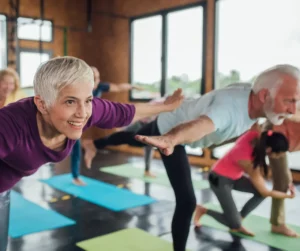
Gym Noise: A Hidden Threat to Hearing Health
Many fitness facilities create environments that put your hearing at risk. Background music, dropped weights, group classes, and equipment noise combine to create sustained exposure above safe levels.
Sound levels in gyms frequently reach 90-100 decibels during peak hours. At these levels, hearing damage can occur with just 15 minutes of exposure. Some spin classes and high-intensity group sessions exceed 100 decibels regularly.
Compare these levels to everyday sounds:
- Normal conversation: 60 dB
- Busy restaurant: 80 dB
- Lawnmower: 90 dB
- Rock concert: 110 dB
- Sirens: 120 dB
When your gym approaches rock concert levels, your hearing faces real risk. The danger increases because exposure happens repeatedly over weeks, months, and years.
Recognizing Unsafe Noise Levels
Your ears provide warning signs when noise levels become dangerous. Pay attention to these indicators:
- Needing to raise your voice to talk with someone three feet away
- Ringing in your ears during or after your workout
- Muffled hearing that lasts several hours after exercise
- Difficulty understanding conversation immediately after leaving the gym
These symptoms signal that noise exposure exceeded safe levels. Repeated exposure to these conditions causes permanent hearing damage over time.
Protective Measures for Different Workout Environments
You can stay active while protecting your hearing. The right approach depends on where and how you exercise.
Indoor Gyms and Fitness Centers
Large fitness facilities present unique challenges. Multiple sound sources combine to create sustained high-noise environments. You can reduce your risk with these strategies:
Request lower music volume from facility management. Many gyms will accommodate reasonable requests. Position yourself away from speaker systems during workouts. Even a few extra feet of distance significantly reduces exposure.
Consider high-fidelity earplugs for particularly loud environments. These devices reduce overall volume while maintaining sound quality. You can still hear instructions, conversations, and safety signals clearly.
Schedule workouts during off-peak hours when facilities are quieter. Early mornings and mid-afternoons typically offer lower noise levels than evening rush periods.
Group Fitness Classes
Spin classes, CrossFit sessions, and high-intensity interval training often feature music levels that exceed safe limits. Instructors amplify their voices over the music, creating additional noise exposure.
Speak with instructors before class about volume concerns. Many are willing to moderate levels when students express interest. Choose positions in the room that minimize speaker proximity while maintaining clear sight lines to the instructor.
Musician’s earplugs allow you to hear instructions while reducing harmful volume. These specialized devices maintain speech clarity while protecting against loud music.
Outdoor Activities
Running, cycling, and outdoor sports generally provide safer noise environments than indoor facilities. However, traffic noise and urban environments can create unexpected exposure.
Avoid wearing earbuds or headphones at volumes that block environmental sounds. You need to hear approaching vehicles, cyclists, and other safety signals. If you listen to music while exercising outdoors, keep volume at levels that allow you to hear your surroundings clearly.
This connection between diabetes and hearing loss reminds us that outdoor exercise supporting metabolic health also protects hearing through multiple pathways.
Swimming and Water Sports
Pool environments present specific challenges. Hard surfaces and water create echo effects that amplify sound levels. Many indoor pools reach 90 decibels during busy periods.
Custom-fitted swimmer’s earplugs protect against both noise and water damage. These specialized plugs seal the ear canal while allowing you to maintain balance and spatial awareness in the water.
Dry your ears thoroughly after swimming. Trapped moisture can lead to infections that temporarily affect hearing and increase vulnerability to noise damage.
Can Exercise Reverse Hearing Loss?
This question comes up frequently among patients concerned about their hearing health. The answer requires understanding what type of hearing loss you’re addressing.
Exercise cannot reverse permanent sensorineural hearing loss. Once inner ear hair cells die, they don’t regenerate. However, research suggests that regular physical activity may slow age-related hearing decline and reduce risk of developing hearing loss.
The protective benefits of exercise work through several mechanisms:
Improved circulation delivers nutrients and oxygen to auditory structures. Better blood flow supports the health of existing hair cells and neural pathways. Reduced inflammation protects against cellular damage throughout your auditory system.
Metabolic health influences hearing preservation. Exercise helps control blood sugar, blood pressure, and cholesterol levels. Each of these factors affects long-term hearing health. Managing these risk factors through regular activity provides meaningful protection.
Cardiovascular fitness correlates with better hearing outcomes in older adults. People who maintain active lifestyles throughout middle age show less hearing decline as they age compared to sedentary peers.
While exercise won’t restore hearing you’ve already lost, it offers powerful preventive benefits. Combining regular physical activity with other protective measures creates the best outcome for long-term hearing health.
Learn more about foods that support hearing health to complement your exercise routine with nutritional support.
Creating a Hearing-Healthy Exercise Routine
You can build a fitness plan that maximizes benefits while minimizing risks to your hearing. Start by assessing your current workout environment and identifying potential concerns.
Choose Exercise Settings Wisely
Select facilities that prioritize member comfort over high-energy atmospheres. Visit potential gyms during the hours you plan to work out. Pay attention to background music volume and overall noise levels.
Outdoor activities naturally provide safer sound environments in most cases. Running, cycling, hiking, and outdoor sports offer excellent cardiovascular benefits with minimal noise exposure.
Invest in Appropriate Hearing Protection
High-fidelity earplugs designed for musicians work well in gym environments. These devices reduce volume without muffling sound quality. You can hear conversations, instructions, and safety signals clearly while protecting against harmful noise levels.
Custom-molded earplugs provide the best fit and protection. Your hearing care provider can create plugs specifically designed for your exercise routine and ear canal shape.
Monitor Your Hearing Health
Schedule regular hearing evaluations to track changes over time. Baseline testing establishes your current hearing status. Follow-up appointments detect early signs of noise-induced damage before it becomes severe.
Pay attention to warning signs like ringing ears, muffled hearing, or difficulty understanding speech after workouts. These symptoms indicate exposure exceeded safe levels. Adjust your routine or add protection measures accordingly.
Balance Activity Types
Vary your exercise routine to include both high-intensity and gentle activities. This approach provides comprehensive fitness benefits while reducing cumulative noise exposure.
Mix gym workouts with outdoor activities, group classes with solo sessions, and high-energy training with yoga or walking. Variety supports your overall health while giving your ears regular breaks from challenging acoustic environments.
Hearing Aids and Active Lifestyles
Modern hearing aid technology supports active individuals better than ever before. If you already wear hearing aids or suspect you might need them, you don’t have to sacrifice your fitness routine.
Today’s devices include features specifically designed for movement and exercise:
Water and sweat resistance protects internal components from moisture damage during intense workouts. Secure retention systems keep devices in place during running, jumping, and other dynamic movements. Rechargeable options eliminate concerns about batteries dying mid-workout.
Bluetooth streaming connects to fitness apps, music, and virtual training programs. You can receive audio guidance directly through your hearing aids without additional earbuds. Automatic programs adjust to different environments as you move from quiet spaces to noisy gyms.
Many patients worry about wearing hearing aids during exercise. These concerns are understandable but often unfounded with current technology. Properly fitted devices stay secure during most activities. Moisture-resistant ratings protect against sweat and light rain. Replacement programs provide peace of mind against loss or damage.
At Stanford Hearing, we help active patients find solutions that match their lifestyle. Schedule a consultation to explore options designed for people who refuse to let hearing concerns slow them down.
The Starkey Omega AI represents the latest advancement in hearing technology, with features that support active lifestyles through enhanced durability and intelligent sound processing.

The Bigger Picture: Hearing Health as Part of Overall Wellness
Your hearing connects to your overall health in ways that extend far beyond your ears. The relationship between physical fitness and auditory function illustrates how different body systems influence each other.
Maintaining an active lifestyle supports cognitive health, which relates directly to hearing function. Your brain processes the sounds your ears detect. Sharp cognitive function improves your ability to understand speech in challenging environments.
Social engagement keeps you active and connected. Hearing well makes social activities more enjoyable. Enjoying social activities motivates you to stay active. This positive cycle reinforces healthy behaviors across multiple domains.
Treating hearing loss early preserves these connections. You maintain the motivation to exercise when group classes remain accessible. Keep up with walking groups when conversation flows easily. You stay engaged with activities that support your physical and mental health.
Consider your hearing health as part of your overall wellness strategy. Just as you schedule annual physicals and dental checkups, regular hearing evaluations deserve a place in your healthcare routine. Early detection and intervention produce the best outcomes for long-term hearing preservation.
Daily hearing protection habits complement your exercise routine to create comprehensive hearing health practices.
Taking Action for Better Hearing Health
Understanding the connection between hearing loss and exercise empowers you to make informed decisions about your health. Regular physical activity supports hearing preservation through improved circulation and reduced inflammation. At the same time, protecting your ears from gym noise prevents avoidable damage.
You don’t have to choose between fitness goals and hearing health. The right strategies allow you to pursue both simultaneously. Start by assessing noise levels in your current workout environment. Add appropriate hearing protection when needed. Schedule regular hearing evaluations to monitor your auditory health over time.
If you’ve noticed changes in your hearing or if hearing concerns have affected your activity level, professional evaluation provides clarity. Modern hearing care offers solutions that support active lifestyles without compromise.
Frequently Asked Questions
Can regular exercise improve my hearing?
Exercise supports hearing health by improving circulation to your inner ear and reducing inflammation throughout your body. While it won’t reverse existing permanent hearing loss, regular physical activity may slow age-related hearing decline and reduce your risk of developing hearing problems. Cardiovascular exercise provides the most direct benefits for hearing preservation.
What volume level is safe at the gym?
Sound levels below 85 decibels are generally safe for extended exposure. Many gyms exceed 90-100 decibels during peak hours and group classes. If you need to raise your voice to talk with someone three feet away, the environment is too loud. Consider hearing protection or choosing quieter workout times.
Will wearing earplugs during exercise affect my workout quality?
High-fidelity earplugs reduce harmful volume while maintaining sound clarity. You can still hear instructions, conversations, and safety signals. Many athletes use specialized hearing protection during training without performance impacts. Custom-fitted options provide the best combination of protection and sound quality.
Should I remove my hearing aids during exercise?
Modern hearing aids are designed to withstand most exercise activities. Water-resistant and sweat-resistant models handle moisture well. Secure retention systems keep devices in place during movement. Unless engaging in water sports or contact sports, most people can safely exercise while wearing their hearing aids.
How often should I get my hearing checked if I work out in loud gyms?
Annual hearing evaluations provide adequate monitoring for most people. If you regularly exercise in environments exceeding 90 decibels or notice symptoms like ringing ears or muffled hearing after workouts, more frequent testing helps detect early changes. Baseline testing establishes your current hearing status for comparison.
Does outdoor running protect my hearing better than gym workouts?
Outdoor running typically provides safer noise exposure than indoor gyms, assuming you’re not running alongside heavy traffic. However, if you use earbuds at high volumes, you may create similar risks. Keep music at levels that allow you to hear your surroundings clearly. The safest approach combines outdoor activity with moderate audio levels.
Start Your Journey to Better Hearing Health
Your commitment to physical fitness demonstrates you value your health and wellbeing. Protecting your hearing deserves the same attention you give to cardiovascular health, strength training, and nutrition. Small changes to your workout routine can provide significant long-term benefits for your auditory system.
We understand that hearing concerns shouldn’t limit your active lifestyle. Our team specializes in helping patients maintain the activities they love while addressing hearing challenges. Whether you need a baseline hearing evaluation, protective recommendations for your specific workout routine, or advanced hearing solutions for an active lifestyle, we’re here to help.
Ready to protect your hearing while staying active? Contact us to schedule a comprehensive hearing evaluation and discuss strategies tailored to your fitness goals.