
Eating for Auditory Health: 10 Foods That Help Your Hearing
The foods that help your hearing are not exotic. Most of them already grow, swim, or get sold within a short drive of Sioux Falls. What you put on your plate shapes your heart, your brain, and the tiny hair cells inside your ears that turn sound into signal. Eat well over the years, and you hand your hearing a real layer of protection.
No food reverses hearing loss once it happens. The right nutrition can still slow its progress and support the cells that keep you connected to conversation. Think of it as preventive maintenance for a sense you use every waking minute.
How Your Diet Connects to Your Hearing
Your inner ear runs on good blood flow. Thousands of microscopic hair cells detect sound, and they need a steady supply of oxygen and nutrients to do it. When circulation falters, those cells suffer first.
That is why heart health and hearing health travel together. People with diabetes tend to have higher rates of hearing loss. High blood pressure and high cholesterol raise the risk too. What strains your heart often strains your ears.
We see this pattern in our exam rooms every week. Patients with well-managed blood sugar and good nutrition tend to hold onto their hearing longer. The connection between the plate and the ear is real, and it gives you something you can act on.
Different nutrients protect your hearing in different ways. Here is how the key players work:
- Antioxidants shield ear cells from everyday oxidative damage.
- Omega-3 fats keep blood moving to the inner ear.
- B vitamins and folate support the nerves that carry sound to your brain.
- Minerals like zinc, potassium, and magnesium help cells repair and hold the right fluid balance.
No single nutrient does the job alone. They work as a team, which is why a varied plate beats any one miracle food.

Key Nutrients That Help Your Hearing
Understanding what each nutrient does makes it easier to build meals that support your ears. This table breaks down the essentials and where to find them.
| Nutrient | How It Helps Your Hearing | Best Sources |
|---|---|---|
| Antioxidants (Vitamins A, C, E, Magnesium) | Shield inner ear cells from oxidative stress. Vitamin E may lower noise-related damage. | Leafy greens, berries, citrus, sunflower seeds, broccoli |
| Omega-3 Fatty Acids | Support blood flow to the inner ear. May slow age-related decline. | Salmon, sardines, walnuts, flaxseed, chia |
| Potassium | Helps regulate the fluid your inner ear needs to work. | Bananas, potatoes, avocados, spinach, lentils |
| Zinc | Supports cell repair and immune defense against ear infections. | Pheasant, lean beef, pumpkin seeds, lentils, cashews |
| Folate (Vitamin B9) | Improves circulation to the inner ear. | Spinach, asparagus, beans, broccoli, eggs |
| Vitamin B12 | Supports the nerves that carry sound to your brain. | Meat, fish, poultry, eggs, dairy |
| Iron | Carries oxygen to the cochlea through healthy blood. | White beans, lentils, leafy greens, lean meats |
Notice how often the same foods show up across rows. A short list of whole foods covers most of what your ears need.
10 Foods That Help Your Hearing, Right Here in the Upper Midwest
You do not need a specialty grocer to eat for your ears. Many of the best options come from local fields, lakes, and farmers markets. Here are ten worth keeping in your regular rotation.
-
Fatty fish.
Salmon and sardines deliver the most omega-3s. Local favorites like walleye add lean protein, so pair them with the oilier fish for balance.
-
Sunflower seeds.
South Dakota is one of the top sunflower-growing states in the country. A small handful brings vitamin E, magnesium, and zinc in one snack.
- Leafy greens. Spinach and kale supply folate and magnesium. Grab them fresh at summer markets, then switch to frozen through the long Dakota winter.
-
Pheasant and lean game.
Pheasant country runs right through our region. Wild game offers lean protein loaded with B12, zinc, and iron.
-
Citrus fruits.
Oranges and grapefruit pack vitamin C, which supports immune defense and protects delicate ear structures.
-
Eggs.
This breakfast staple gives you vitamin D, B12, and protein in a small, affordable package.
-
Legumes.
Beans and lentils add folate, iron, and zinc without the saturated fat of some meats.
-
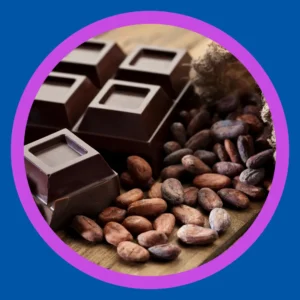
Dark chocolate.
- Varieties with at least 70 percent cacao offer zinc and magnesium. Keep portions small, especially if you manage diabetes.
-
Bananas and avocados.
Both deliver potassium for inner ear fluid balance. Avocados add folate and healthy fats that aid vitamin absorption.
-
Whole grains.
Oats, brown rice, and quinoa support steady metabolic health and a more even blood sugar.
Eaten together across a week, these foods cover every nutrient in the table above. Variety, not perfection, is the goal.
Local eating shifts with the calendar, so here is how to keep it up year round.
| Season | What’s Fresh and Local | Easy Hearing-Friendly Move |
|---|---|---|
| Summer and fall | Market greens, berries, sweet corn, tomatoes | Build colorful plates while produce is cheap |
| Hunting season | Pheasant, venison | Lean protein rich in B12, zinc, and iron |
| Winter | Frozen greens and berries, canned sardines, eggs | Frozen and canned options keep nutrients locked in |
| Year round | Salmon, walnuts, sunflower seeds, lentils | Freezer and pantry staples that never go out of season |
Frozen and canned items often match fresh for nutrients, so a hard winter never has to set your hearing back.
Eating Patterns That Protect Your Hearing
Single foods matter, but your overall pattern matters more. Two diets stand out in the research for better hearing outcomes.
The Mediterranean diet leans on vegetables, fruit, fish, nuts, and olive oil. The DASH diet targets blood pressure with similar foods and far less sodium. In one large, long-term study, women who followed these patterns most closely had about a third lower risk of hearing loss. Other research on diet and hearing points the same direction.
Both patterns share the same backbone. Here is what they have in common:
- Whole foods take priority over processed ones.
- Antioxidants and anti-inflammatory foods appear at every meal.
- Sodium, added sugar, and saturated fat stay low.
Follow that backbone, and you protect your blood vessels and your hearing at the same time. A practical plate looks simple. Fill half with vegetables and fruit. Choose whole grains over refined ones. Lean on fish, poultry, beans, and nuts more than red meat.
Foods That May Work Against Your Hearing
Some choices push the other way. You do not need to ban them, but you do want to know them.
Excessive Sodium
Too much salt raises blood pressure and unsettles inner ear fluid balance. Most of it hides in processed and packaged foods, not the salt shaker.
Refined Carbs and Added Sugar
White bread and sugary snacks spike blood glucose. Over time that damages the small vessels feeding your ears.
Saturated and Trans Fats
These fats drive cardiovascular disease, which reaches the ears through the same blood supply. Fried foods and many packaged snacks are the usual culprits.
Processed Meats
Bacon, hot dogs, and deli meats run high in sodium and saturated fat. Fresh meats and plant proteins make better everyday choices.
Small swaps beat strict bans every time. Try a few of these:
- Reach for nuts instead of chips.
- Choose whole grain bread over white.
- Grill or bake chicken rather than frying it.
Stack up a few swaps a week, and the change adds up faster than you expect.
How Your Whole Health Shapes Your Hearing
Your ears are not an island. What helps your heart, your brain, and your blood sugar tends to help your hearing too. The link between heart and hearing health runs through those tiny inner ear vessels.
Movement matters as much as food. Regular walking improves circulation and lowers inflammation. You do not need a gym membership, just a habit you enjoy.
Sleep and stress count too. Poor sleep raises blood pressure and inflammation. Steady rest gives your whole system, ears included, a chance to recover.
Diet and Tinnitus: Managing, Not Curing
Diet will not cure the ringing of tinnitus. It can still shape how much it bothers you. Many people find that using their diet to lower tinnitus risk takes some of the edge off.
Triggers vary widely from person to person. Salt, caffeine, and alcohol bother some and barely touch others. Pay attention to your own pattern and adjust from there.
A few habits tend to help across the board:
- Keep blood pressure steady with lower sodium.
- Notice whether caffeine sharpens your symptoms.
- Protect your sleep, since rest eases tinnitus perception.
Treat tinnitus as a nudge toward better overall health, and the rest of your body benefits alongside your ears.
What We Talk Through About Food at Your Visit
Diet comes up often during a hearing appointment, because your habits and your hearing are connected. When you book comprehensive hearing tests with us, we look at the whole picture, not just the audiogram.
A typical visit covers more than your ears. Here is what we tend to discuss:
- How your blood sugar and blood pressure track with your hearing.
- Which everyday foods already work in your favor.
- Where a small swap could protect your hearing going forward.
- Whether your medications interact with anything you take.
We serve patients across Sioux Falls and Buffalo, MN, and we tailor that conversation to your life. Food is one tool. A clear baseline test is the other, and together they help you act early instead of waiting.

Why Choose Stanford Hearing
Good nutrition protects your hearing. Expert care protects it too. For more than 20 years, our locally owned practice has served families across Sioux Falls and Buffalo, MN.
Here is what you can expect when you visit our Sioux Falls hearing center or our Buffalo office:
- A free consultation with no pressure to buy
- A 10-day trial, so you hear the difference before you commit
- Five premium brands including Phonak, ReSound, Starkey, Oticon, and Unitron
- A price match guarantee on comparable devices
- No-interest financing that keeps care affordable
- In-network insurance, plus help verifying your benefits
Ready to hear better with confidence? Schedule a free consultation and let our hearing care providers build a plan around your life.
About the Author
Dr. Jade Husby, Au.D., Owner and President of Stanford Hearing
Dr. Jade Husby is the Owner and President of Stanford Hearing. Her passion for healthcare began young, driven by her joy in helping others. She grew up in Dakota Dunes, SD. Both her Bachelor’s and Doctorate come from the University of South Dakota. Her residency followed at an Ear, Nose, and Throat clinic in Maryville, TN. Today she pours her time and energy into her patients. Her goal is simple. Every patient should feel like part of the Stanford Hearing family.
Frequently Asked Questions About Foods That Help Your Hearing
How soon can the right foods make a difference to my hearing?
The benefits build slowly rather than overnight. At Stanford Hearing, we frame nutrition as a long-term investment, not a quick fix. Sustained healthy eating over months and years can slow age-related decline.
Can a healthy diet reverse hearing loss I already have?
No, and any product that promises otherwise should raise a flag. Once hair cells are damaged, food cannot regrow them. Stanford Hearing recommends good nutrition to protect the hearing you still have, paired with care for the loss you do not.
Is fresh produce really better than frozen for hearing health?
Not by much, which is good news through a Dakota winter. Frozen greens and berries hold their nutrients well. Stanford Hearing tells patients that a freezer stocked with vegetables beats skipping them when fresh runs short.
Which local foods give me the most hearing benefit for the money?
Eggs, lentils, frozen greens, and canned sardines deliver a lot of nutrition per dollar. Stanford Hearing knows budget matters, so we point patients toward affordable staples first. Sunflower seeds, a regional crop, are another low-cost win.
Should diet replace a hearing test if my hearing seems fine?
No, because hearing loss often creeps in without obvious signs. Eating well protects your ears, but it cannot measure them. Stanford Hearing encourages a baseline test so you catch any change early, while food keeps doing its quiet work.