
Presbycusis Explained: What Causes Hearing Decline
Age brings wisdom, experience, and unfortunately for many, gradual hearing changes. Presbycusis affects roughly one in three adults over 65. Understanding what drives this common condition helps you protect your hearing and maintain quality of life as you age.
What Is Presbycusis?
Presbycusis is age-related hearing loss that develops slowly over years. It typically affects both ears equally and makes high-pitched sounds harder to hear first. You might notice difficulty understanding speech in noisy environments before recognizing problems in quiet settings.
This condition differs from sudden hearing loss or damage from loud noise exposure. Presbycusis results from cumulative changes in your inner ear structures. The delicate hair cells responsible for converting sound waves into electrical signals gradually deteriorate with time.
Most people don’t realize they have presbycusis initially. The changes happen so gradually that your brain adapts. Family members often notice the signs before you do.
What Is the Main Cause of Presbycusis?
The primary driver of presbycusis is natural aging of the inner ear. Your cochlea contains approximately 16,000 hair cells at birth. These cells don’t regenerate once damaged or lost. Years of sound exposure, cellular aging, and reduced blood flow to the inner ear all contribute to their gradual decline.
Several biological processes accelerate this deterioration:
Cellular aging damages cochlear hair cells. The tiny sensory cells in your inner ear become less responsive over time. High-frequency hair cells located at the base of the cochlea typically fail first.
Reduced blood flow affects inner ear health. The stria vascularis, a specialized tissue that maintains fluid balance in your cochlea, receives less oxygen-rich blood as you age. This compromises the electrochemical environment your hair cells need to function.
Changes in auditory nerve pathways slow signal transmission. The nerve fibers connecting your inner ear to your brain can deteriorate. Even when hair cells capture sound adequately, the signal may not reach your brain efficiently.
Metabolic changes reduce cellular repair capacity. Your body’s ability to maintain and repair delicate inner ear structures diminishes with age. Oxidative stress from free radicals accumulates faster than your cells can manage the damage.
Research indicates these cumulative effects create a cascade of deterioration that progresses at different rates for different people.
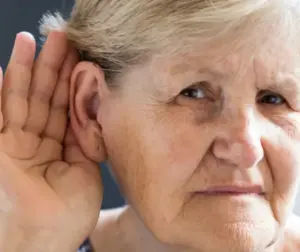
Which Occurrence Is the Primary Cause of Presbycusis?
While aging is the foundation, the specific occurrence most responsible for presbycusis is hair cell death in the cochlea. Your cochlear hair cells are among the most fragile structures in your body. They cannot regenerate or repair themselves after damage.
Think of these hair cells like delicate sensors that convert mechanical vibrations into electrical signals. Every sound you hear throughout your life causes these cells to bend and flex. Over decades, the constant movement takes its toll.
The outer hair cells amplify quiet sounds and sharpen your ability to distinguish between similar frequencies. When these cells fail, you lose the ability to hear subtle sounds and understand speech in background noise. Inner hair cells transmit the actual sound information to your brain. Their loss makes all sounds quieter.
Several factors accelerate hair cell death beyond normal aging:
Noise exposure compounds cellular damage. Even moderate noise levels over many years stress hair cells. Construction workers, musicians, and anyone with prolonged loud sound exposure faces higher risk.
Ototoxic medications damage cochlear structures. Certain antibiotics, chemotherapy drugs, and high-dose aspirin can harm hair cells. The damage may be temporary or permanent depending on the medication and dosage.
Cardiovascular disease reduces inner ear blood flow. Conditions like hypertension, diabetes, and high cholesterol compromise the tiny blood vessels serving your inner ear. Hair cells need consistent oxygen and nutrient delivery to survive.
Genetic factors influence susceptibility. Some people inherit genes that make their hair cells more vulnerable to age-related damage. If your parents experienced early hearing loss, you may face similar risks.
Presbycusis Progression: Understanding the Stages
The timeline of presbycusis varies significantly between individuals. Some people maintain excellent hearing into their 80s while others notice changes in their 50s. Recognizing the stages helps you intervene early.
| Stage | Frequency Range Affected | Common Symptoms | Communication Impact |
|---|---|---|---|
| Mild Presbycusis | High frequencies (6,000-8,000 Hz) | Missing consonants (s, f, th), difficulty with women’s and children’s voices | Occasional repetition requests in quiet settings |
| Moderate Presbycusis | Mid to high frequencies (2,000-6,000 Hz) | Trouble following conversations in groups, TV volume complaints from family | Regular misunderstandings, avoiding social situations |
| Severe Presbycusis | Most frequencies above 1,000 Hz | Difficulty hearing most speech without amplification, missing phone calls and doorbells | Significant communication breakdown, social isolation risk |
| Profound Presbycusis | Nearly all frequencies | Very limited sound awareness, reliance on visual cues and lip reading | Severe communication limitations without intervention |
Early intervention at the mild or moderate stage produces the best outcomes. Your brain adapts more easily to hearing aids when the loss is less severe.
How to Avoid Presbycusis
You cannot completely prevent age-related hearing loss, but you can significantly slow its progression. Protective strategies work best when started early and maintained consistently.
Protect your ears from loud noise. Use hearing protection in noisy environments. Concerts, sporting events, power tools, and lawn equipment all generate damaging sound levels. Custom earplugs reduce volume while preserving sound clarity.
Monitor and manage cardiovascular health. Your inner ear depends on healthy blood flow. Control blood pressure, maintain healthy cholesterol levels, and manage diabetes carefully. Regular exercise improves circulation throughout your body, including to your ears.
Avoid ototoxic substances when possible. Discuss medication side effects with your doctor. If you must take ototoxic drugs, ask about hearing monitoring during treatment. Limit aspirin to recommended doses.
Support your hearing with targeted nutrition. Certain supplements for hearing health show promise in research. Antioxidants, omega-3 fatty acids, and specific vitamins may protect hair cells from oxidative stress.
Schedule regular hearing evaluations. Annual hearing tests after age 50 establish your baseline and track any changes. Early detection allows for intervention before significant deterioration occurs.
Manage existing hearing loss promptly. Research suggests untreated hearing loss accelerates cognitive decline. Addressing presbycusis early may protect brain health and slow further hearing deterioration.
Reduce exposure to environmental toxins. Heavy metals like lead and mercury can damage cochlear structures. Choose low-mercury fish options and minimize exposure to industrial chemicals when possible.
Practice hearing conservation in daily life. Keep music and television at reasonable volumes. Take breaks from noisy environments. Your ears need recovery time after sound exposure.

Prevention Strategies: Comparing Effectiveness
Different approaches to slowing presbycusis offer varying levels of protection. Understanding which strategies provide the most benefit helps you prioritize your efforts.
| Strategy | Effectiveness Level | Ease of Implementation | Key Benefits |
|---|---|---|---|
| Noise Protection | Very High | Easy to Moderate | Prevents additional damage, protects remaining hair cells, reduces inflammation |
| Cardiovascular Health | High | Moderate | Improves blood flow, supports cellular repair, reduces risk factors |
| Ototoxic Medication Awareness | High | Easy | Prevents avoidable damage, allows monitoring during necessary treatments |
| Regular Hearing Testing | High (for early intervention) | Very Easy | Establishes baseline, enables prompt treatment, tracks progression |
| Nutritional Support | Moderate | Easy | Reduces oxidative stress, supports cellular health, minimal side effects |
| Prompt Hearing Aid Use | High (for quality of life) | Moderate | Maintains auditory pathways, supports brain health, improves communication |
| Genetic Counseling | Low to Moderate | Moderate | Identifies risk factors, informs family planning, guides prevention focus |
The most effective approach combines multiple strategies. Protecting your ears from noise while maintaining cardiovascular health and monitoring your hearing regularly offers comprehensive protection.
Can Presbycusis Be Cured?
No cure currently exists for presbycusis. The hair cells in your cochlea cannot regenerate or repair themselves once damaged. However, effective management options can restore most of the communication ability you’ve lost. If age-related hearing loss is affecting daily life, our team in Sioux Falls and Buffalo can help. Schedule a free consultation to review your options.
Modern hearing aids provide remarkable sound quality and clarity. Digital processing adapts to different listening environments automatically. Many devices connect wirelessly to phones, televisions, and other audio sources.
Several treatment approaches help manage presbycusis:
Hearing amplification restores functional hearing. Today’s hearing aid technology targets specific frequencies you struggle with while leaving others unchanged. This precise approach sounds more natural than older devices.
Assistive listening devices supplement hearing aids. Personal amplifiers, TV streamers, and phone captioning services provide additional support in challenging situations.
Auditory rehabilitation trains your brain. Your brain needs time to relearn how to process amplified sound. Professional support helps you adjust faster and get better results from your devices.
Communication strategies improve understanding. Learning to optimize listening environments and use visual cues enhances comprehension beyond what amplification alone provides.
Emerging research explores potential future treatments. Gene therapy, stem cell approaches, and pharmaceutical interventions show promise in animal studies. These options remain years away from human use, making current management strategies essential.
Hearing Aid Options for Presbycusis Management
Choosing the right amplification depends on your specific hearing loss pattern, lifestyle needs, and preferences. Modern devices offer features specifically beneficial for age-related hearing loss.
| Technology Feature | Benefit for Presbycusis | Best For | Considerations |
|---|---|---|---|
| Directional Microphones | Focuses on speech in front of you, reduces background noise | Restaurants, social gatherings, group settings | Requires proper positioning toward speaker |
| Frequency Compression | Shifts high-frequency sounds to ranges you can still hear | Severe high-frequency loss, understanding women’s and children’s voices | May sound different initially, requires adjustment period |
| Speech Enhancement Algorithms | Distinguishes speech from noise, amplifies consonants | Noisy environments, understanding in crowds | Works best with premium technology levels |
| Bluetooth Connectivity | Streams phone calls and media directly to hearing aids | Phone conversations, video calls, TV watching | Requires compatible smartphone or accessories |
| Rechargeable Batteries | Eliminates tiny battery changes, ensures all-day power | Limited dexterity, active lifestyles | Higher initial cost, battery replacement after 3-5 years |
| Tinnitus Masking | Provides relief from ringing often accompanying presbycusis | Concurrent tinnitus, difficulty sleeping | May need customization for optimal relief |
| Automatic Environment Adjustment | Adapts settings based on sound environment without manual changes | Variable daily environments, ease of use preference | Premium feature, higher cost |
Most people with presbycusis benefit from bilateral fitting (hearing aids in both ears). This approach preserves your brain’s ability to locate sounds and understand speech in noise.
The Connection Between Presbycusis and Cognitive Health
Presbycusis affects more than your ability to hear. The condition influences brain function, mental health, and overall quality of life. Understanding these connections emphasizes the importance of early intervention.
Untreated hearing loss creates cognitive strain. Your brain works harder to decode incomplete auditory information. This constant effort diverts mental resources from other tasks like memory and concentration.
Studies on hearing loss and dementia reveal concerning links. Moderate hearing loss doubles dementia risk. Severe loss triples it. The exact mechanism remains under investigation, but several theories exist.
Reduced auditory input may accelerate brain atrophy. The auditory cortex needs stimulation to maintain its structure and function. When sound signals decrease, these brain regions may shrink faster.
Social isolation compounds cognitive risk. Difficulty hearing often leads people to avoid conversations and group activities. Reduced social engagement independently increases dementia risk.
Communication struggles create frustration and anxiety. Many people with untreated presbycusis experience depression. The emotional toll of feeling disconnected from loved ones affects overall wellbeing.
Addressing presbycusis promptly may protect cognitive function. Hearing aids restore auditory input to your brain. They reduce listening effort and support social engagement. While more research is needed, evidence suggests timely intervention matters.
Frequently Asked Questions About Presbycusis
What Is the Main Cause of Presbycusis?
The main cause is natural aging of the inner ear structures, particularly the gradual death of cochlear hair cells that cannot regenerate. Reduced blood flow to the inner ear and changes in the auditory nerve pathways also contribute to age-related hearing decline.
How to Avoid Presbycusis?
You cannot completely avoid presbycusis, but you can slow its progression through noise protection, cardiovascular health management, avoiding ototoxic medications when possible, and maintaining regular hearing evaluations. Early intervention and healthy lifestyle choices make a significant difference.
Which Occurrence Is the Primary Cause of Presbycusis?
Hair cell death in the cochlea is the primary occurrence causing presbycusis. These delicate sensory cells cannot repair or regenerate after damage. Cumulative stress from decades of sound exposure, reduced blood flow, and cellular aging leads to their gradual failure.
Can Presbycusis Be Cured?
No cure exists for presbycusis because damaged cochlear hair cells cannot regenerate. However, modern hearing aids effectively manage the condition by amplifying specific frequencies you struggle with. Early intervention provides the best outcomes for maintaining communication ability and quality of life.
Does Presbycusis Affect Both Ears Equally?
Presbycusis typically affects both ears symmetrically, though the degree of loss may vary slightly between sides. Asymmetric hearing loss or sudden changes in one ear suggest a different condition requiring prompt medical evaluation.
At What Age Does Presbycusis Usually Start?
Most people begin experiencing subtle presbycusis symptoms in their 50s or 60s. However, the timeline varies significantly based on genetics, noise exposure history, overall health, and other individual factors. Some notice changes earlier while others maintain excellent hearing into their 80s.
Can Hearing Aids Reverse Presbycusis?
Hearing aids cannot reverse the physical damage of presbycusis, but they restore functional hearing by amplifying sounds in the frequencies you struggle with. Your brain receives the auditory input it needs, reducing listening effort and supporting communication ability.
Is Tinnitus Common with Presbycusis?
Many people with presbycusis experience tinnitus (ringing or buzzing in the ears). The same hair cell damage that causes hearing loss often triggers phantom sounds. Hearing aids with built-in tinnitus masking features can provide relief.
Should I Wait Until My Hearing Gets Worse Before Getting Hearing Aids?
No. Early intervention produces better outcomes. Your brain adapts more easily to amplification when hearing loss is mild to moderate. Waiting allows auditory pathways to weaken and may accelerate cognitive decline associated with untreated hearing loss.
Does Insurance Cover Hearing Aids for Presbycusis?
Coverage varies by plan. Some Medicare Advantage plans include hearing aid benefits, though Original Medicare does not. Many private insurance plans offer partial coverage. We work with major insurance providers and offer financing options to make treatment accessible.
Taking Action on Your Hearing Health
Presbycusis progresses gradually, making it easy to dismiss early signs. You might blame unclear speakers, poor phone connections, or noisy environments for communication struggles. Recognizing these rationalization patterns helps you take action sooner.
Schedule a baseline hearing evaluation if you’re over 50. The assessment takes less than an hour and provides valuable information about your current hearing status. Regular monitoring allows you to track any changes over time.
Professional testing evaluates each ear independently across multiple frequencies. The results create your personal hearing profile. Your hearing care provider can identify the specific pattern of presbycusis you’re experiencing and recommend appropriate intervention strategies.
Modern hearing aids offer remarkable technology in discreet designs. Devices sit comfortably behind or inside your ear. Many people find them far less noticeable than they expected. Advanced features adapt automatically to different listening environments without requiring manual adjustments.
Starting with a trial period removes the uncertainty. You can experience the difference amplification makes in your daily life before committing to a purchase. Most people report they wish they had acted sooner once they realize how much they were missing.
Your hearing connects you to loved ones, keeps you safe, and supports your cognitive health. Protecting it deserves the same attention you give to your vision, cardiovascular health, and overall wellbeing.
Ready to understand your hearing better and explore your options? Contact us to schedule a comprehensive hearing evaluation. We’ll create a personalized plan that fits your lifestyle and helps you stay engaged with the people and activities you love.