
Traveling with Hearing Aids: Your Essential Checklist for Stress-Free Trips
Updated January, 2026
Traveling with hearing aids can feel overwhelming if you’re unprepared. Dead batteries mid-flight, lost charging cases, or confusion at airport security can turn an exciting trip into a frustrating experience. The good news? A little preparation prevents these common travel disasters.
This guide covers everything you need for confident travel with your hearing devices. You’ll learn what to pack, how to navigate airport security, and how to protect your hearing aids in different climates and situations.
Why Traveling with Hearing Aids Requires Extra Planning
Your hearing aids are medical devices that need special care on the road. Unlike glasses or watches, they’re sensitive to moisture, temperature extremes, and physical damage. They also rely on power sources that may not be readily available in every destination.
Travel disrupts your normal routine. You might forget your usual cleaning habits or skip maintenance steps when you’re focused on catching flights and exploring new places. These small oversights can lead to device malfunction when you need clear hearing most.
Planning ahead ensures your hearing aids work perfectly throughout your trip. You’ll avoid the stress of scrambling for replacement batteries in an unfamiliar city or dealing with moisture damage from unexpected weather.
Essential Packing List: What You Must Bring
Never assume you can buy hearing aid supplies at your destination. Pack these items in your carry-on bag, not checked luggage.
Battery-Powered Hearing Aids
Bring enough batteries for your entire trip plus three extra days. Heat, humidity, and increased device usage while traveling drain batteries faster than normal. Store batteries in their original packaging to prevent discharge.
Pack a battery tester if you have one. This small tool helps you avoid the frustration of inserting a dead battery when you can’t hear announcements at the airport.
Rechargeable Hearing Aids
Your charging case is non-negotiable. Rechargeable hearing aids need daily charging, and forgetting your case means silent devices within 24 hours.
Bring the correct power adapter for your destination. A USB charging cable won’t help if you can’t plug it into the wall outlet. Research your destination’s outlet type and voltage before you leave.
Consider a portable power bank for long travel days. Some modern hearing aids accept USB charging, making backup power easy to carry.
Universal Essentials
Pack these items regardless of your hearing aid type:
- Cleaning tools (brush, wax pick, cloth)
- Dehumidifier or drying kit
- Protective hard case for storage
- Copy of your hearing aid specifications and serial numbers
- Your hearing care provider’s contact information
A backup storage case protects your devices when you remove them for swimming or showering. Many travelers lose hearing aids by wrapping them in tissue or napkins that get thrown away.
Packing Essentials: Carry-On vs. Checked Luggage
| Item | Carry-On | Checked Luggage | Why |
|---|---|---|---|
| Hearing aids (on your ears) | ✓ | Never | You need them accessible; luggage can be lost |
| Charging case/extra batteries | ✓ | Never | Essential for device function; checked bags face temperature extremes |
| Cleaning supplies | ✓ | ✓ (extras only) | Daily cleaning prevents malfunction; keep essentials accessible |
| Dehumidifier/drying kit | ✓ | ✓ (backup) | Climate changes require immediate moisture removal |
| Prescription/serial numbers | ✓ | Never | Needed for replacements if devices are lost |
| Protective storage case | ✓ | ✓ (extra if desired) | Prevents damage during handling |
| Backup power bank (rechargeable aids) | ✓ | ✓ (if you have multiple) | TSA allows in both; keep primary accessible |
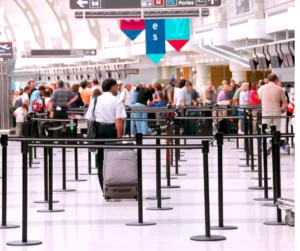
Navigating Airport Security with Hearing Aids
Airport security causes unnecessary anxiety for many hearing aid users. Understanding the rules eliminates this stress.
Do You Have to Remove Your Hearing Aids?
No. The Transportation Security Administration (TSA) does not require you to remove hearing aids during screening. You can wear them through metal detectors and body scanners without issue.
Inform the TSA officer that you’re wearing hearing aids before screening begins. This prevents confusion if the devices trigger the scanner. Most modern hearing aids won’t set off alarms, but older models with metal components occasionally do.
If additional screening is needed, TSA officers can perform a visual inspection or use a handheld wand. You still don’t need to remove your devices. The TSA allows pat-down screenings if you prefer to avoid electronic scanning altogether.
What About Checked Luggage Screening?
Never pack hearing aids in checked luggage. Extreme temperatures in cargo holds can damage sensitive electronics. Lost luggage means lost hearing aids, and airlines don’t replace medical devices quickly.
Your cleaning supplies and backup batteries can go in checked bags if needed. However, keeping everything in your carry-on ensures you have supplies if your checked bag is delayed.
International Travel Considerations
Carry documentation about your hearing aids when crossing international borders. A letter from your hearing care provider stating your medical need for the devices can help with customs questions.
Some countries have strict rules about lithium batteries in rechargeable devices. Research your destination’s battery regulations before you travel. Most countries follow similar guidelines to the United States, but exceptions exist.
The TSA website provides current rules for travelers with disabilities and medical devices.
Should You Wear Hearing Aids While Flying?
Yes, wearing your hearing aids during flights helps you hear important announcements and communicate with flight attendants. Modern hearing aids handle cabin pressure changes without damage.
Managing Bluetooth During Flight
Many Bluetooth hearing aids include airplane mode settings. Activate this feature during takeoff and landing to comply with airline electronics policies.
Airplane mode disables wireless connectivity while keeping amplification active. You maintain hearing assistance without interfering with aircraft systems. Check your device manual for the specific steps to enable this mode.
Some airlines now allow Bluetooth use throughout flights. Confirm the policy with your airline before departure. This feature lets you stream in-flight entertainment directly to your hearing aids.
Pressure Equalization Tips
Cabin pressure changes affect everyone’s ears, including hearing aid users. Swallowing, yawning, or chewing gum helps equalize pressure in your ear canals.
You might notice temporary changes in how your hearing aids sound during ascent and descent. This is normal and resolves once cabin pressure stabilizes. Don’t adjust your volume settings during these brief periods.
If you experience discomfort, remove your hearing aids temporarily during the most intense pressure changes. The discomfort comes from your ears adjusting, not from the devices themselves.