
Audiology for Tinnitus: Proven Treatments That Bring Real Relief
That constant ringing, buzzing, or hissing that follows you everywhere. It’s there when you wake up. There in quiet meetings. It’s definitely there at 2 a.m. when the house goes silent.
If that sounds familiar, you’re not alone. Audiology for tinnitus has advanced significantly in recent years, and the good news is real: there are proven, effective ways to find relief. At Stanford Hearing Aids, tinnitus management is one of our core specialties. We’ve helped hundreds of patients throughout the Sioux Falls area move from frustration to genuine, lasting improvement.
This guide covers what tinnitus actually is, why it happens, and most importantly, what a hearing care provider can do about it.
What Is Tinnitus, Exactly?
Tinnitus is the perception of sound when no external sound source is present. Most people describe it as ringing, but it can also sound like buzzing, hissing, clicking, whooshing, or a low persistent hum. It can be constant or intermittent. It can affect one ear or both. And it ranges from mildly annoying to genuinely life-disrupting.
Tinnitus affects roughly 15% of people worldwide, with severe cases increasing with age. For many, it goes beyond a sound problem. It affects mood, sleep quality, concentration, and overall wellbeing. That’s why audiology for tinnitus takes a whole-person approach, not just an ear-level one.
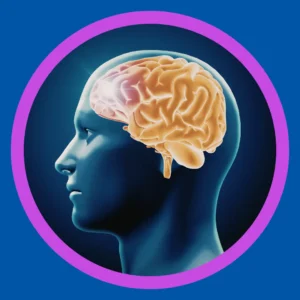
Is Tinnitus a Brain Issue?
This is one of the most common questions we hear, and the honest answer is: both yes and no.
Tinnitus typically begins in the auditory system. Most cases start with some change in the inner ear, such as noise-induced damage, age-related hearing shifts, or another ear health factor. From there, the signal travels to the brain. The brain then attempts to compensate for the altered input, and what we perceive as tinnitus is often the result of that compensation.
So while the origin is usually in the ear, the experience of tinnitus is processed and amplified centrally. That’s exactly why audiology for tinnitus evaluates the whole auditory system, not just the ear canal.
Will an Audiologist Help with Tinnitus?
Yes, absolutely. And if you haven’t seen a hearing care provider about your tinnitus yet, this is the single most important step you can take.
A hearing care provider is trained to evaluate the auditory system, identify contributing factors, and connect you with treatments that have real evidence behind them. This is not a “wait and see” situation. Audiology for tinnitus means a thorough diagnostic evaluation followed by a personalized management plan built around your specific symptoms.
Here’s what an initial tinnitus evaluation at Stanford Hearing typically includes:
- A comprehensive hearing test measuring thresholds across all key frequencies
- A tinnitus assessment evaluating pitch, loudness, and daily impact
- A full review of your medical history, medications, and lifestyle factors
- A clear discussion of your tinnitus triggers and symptom patterns
- A recommended treatment path with honest expectations
Every one of those steps matters. Without proper evaluation, there’s no way to know which type of tinnitus you’re dealing with or which treatment approach fits your situation best.
Can an Audiologist Actually Do Anything for Tinnitus?
Here’s where we want to be direct: there is currently no universal cure for tinnitus. But there’s a significant difference between “no cure” and “nothing can be done.” The treatments available through audiology for tinnitus are evidence-based, clinically validated, and proven to reduce how much tinnitus disrupts daily life.
Patients who wore hearing aids for six months saw clinically and statistically significant reductions in tinnitus distress, according to this peer-reviewed hearing aid effectiveness study. That’s not a small finding. It means people with both tinnitus and hearing loss have a highly effective, accessible treatment path available to them right now.
The three approaches we focus on most at Stanford Hearing are sound therapy, hearing aids with tinnitus features, and Tinnitus Retraining Therapy. Each one addresses tinnitus differently, and many patients benefit most from a combination of all three.
Sound Therapy and Masking
Sound therapy is one of the most established tools in audiology for tinnitus. The concept is straightforward: introducing background sound reduces the contrast between silence and the internal tinnitus signal. That contrast is often what makes tinnitus feel so loud and intrusive, especially in quiet environments.
Sound masking takes many forms. White noise machines, nature sounds, and specialized apps are popular starting points. We’ve put together a helpful roundup of 6 apps for tinnitus relief that covers some of the best options available today. Many patients use these during sleep, focused work, or any quiet activity that tends to amplify symptoms.
Sound therapy works best when it’s calibrated to your specific tinnitus characteristics. A hearing care provider can help you identify the right type and volume of masking sound for your situation, rather than guessing at what might help.
Hearing Aids with Tinnitus Features
If you have any degree of hearing loss alongside your tinnitus, hearing aids are often the most powerful tool available. Restoring ambient sound input reduces the auditory gap that drives many tinnitus cases, and modern hearing aids do this exceptionally well.
According to tinnitus clinical guidelines highlighted in this 2025 tinnitus research editorial, hearing aids are among the few interventions considered clinically effective for tinnitus, while commonly tried medications including antidepressants and anticonvulsants are not recommended.
Several of the premium brands we carry at Stanford Hearing include dedicated tinnitus management features built directly into the device. These aren’t add-ons. They’re core functionality.
Here’s how our top brands support audiology for tinnitus:
| Brand | Tinnitus Feature | How It Helps |
|---|---|---|
| Starkey Genesis AI | Multiflex Tinnitus Technology | Generates customizable relief sounds; adjustable through the app |
| Phonak Audéo Infinio | SmartSpeech + sound enrichment | Reduces listening effort; supports layered sound therapy |
| ReSound Nexia | Built-in Tinnitus Sound Generator | Personalizable sound therapy inside a single device |
| Unitron Vivante | Sound Enrichment via Remote Plus App | Adds soothing background sound throughout the day |
Each brand pairs powerful hearing support with tinnitus management in one discreet device. For patients dealing with both hearing loss and tinnitus, this combination approach typically delivers the strongest outcomes. You can explore how hearing aids help relieve tinnitus and browse our full guide to the best hearing aids for tinnitus for deeper detail on each option.
Tinnitus Retraining Therapy (TRT)
Tinnitus Retraining Therapy is a more structured, longer-term approach within audiology for tinnitus. TRT combines directive counseling with low-level sound therapy to help your brain reclassify the tinnitus signal as unimportant background noise. Over time, the goal is habituation: reaching a point where tinnitus no longer triggers a stress response, even if the sound itself is still technically present.
TRT is grounded in a well-established neurological principle. The brain is remarkably capable of filtering out sounds it deems irrelevant. Think of how you stop noticing the hum of an air conditioner within minutes of entering a room. TRT is a trained, guided version of that same process.
What TRT Actually Looks Like
Sessions typically span 12 to 24 months and involve ongoing counseling alongside sound therapy adjustments as your response evolves. It requires genuine commitment, but for patients with moderate to severe tinnitus, TRT has one of the strongest long-term track records of any available approach. Patients who stay consistent with TRT often describe a turning point where tinnitus simply stops demanding their attention, even on difficult days.
Does Your Brain Eventually Tune Out Tinnitus?
For some people, yes. Natural habituation happens without any intervention. The brain gradually deprioritizes the tinnitus signal, and while the sound may technically still be present, it stops pulling focus.
The problem is that natural habituation is unpredictable and doesn’t happen for everyone. Some people habituate within a year. Others never reach that point on their own. And for those managing anxiety, sleep disruption, or significant daily distress because of tinnitus, waiting without support can genuinely worsen outcomes.
TRT and sound therapy are designed to reliably produce what the brain might do naturally, on a structured timeline instead of leaving it to chance. That’s a meaningful distinction for anyone who’s already been waiting and hoping it would just go away.
What Are the Top Secondary Conditions Associated with Tinnitus?
Tinnitus rarely exists on its own. Understanding the conditions most commonly linked to it helps explain why a thorough evaluation matters so much. These five secondary conditions appear most frequently alongside tinnitus:
- Hearing loss: The most common companion to tinnitus. Many patients have some degree of hearing loss, though hearing loss and tinnitus don’t always travel together.
- Anxiety and depression: Tinnitus and mental health are closely linked. Persistent tinnitus can lead to significant psychological distress that affects sleep, concentration, and emotional wellbeing.
- Sleep disorders: The quiet of nighttime removes the ambient sound that naturally masks tinnitus during the day, making insomnia and disrupted sleep common complaints.
- Hypertension: Cardiovascular changes affect blood flow to the inner ear. We cover this connection in detail in our article on hypertension and tinnitus.
- Cognitive concerns: Emerging research is examining the relationship between chronic tinnitus and brain health. Our article on tinnitus and dementia walks through what the current evidence shows.
Recognizing these connections isn’t meant to alarm you. It reinforces why a comprehensive evaluation covers more than just the sound. Tinnitus management that accounts for the whole person consistently produces better long-term outcomes.
What Is the Red Flag of Tinnitus?
Most tinnitus is a nuisance. Some tinnitus is a warning. Knowing the difference is critical, and it’s one more reason audiology for tinnitus starts with a proper professional evaluation.
Symptoms that should prompt you to seek evaluation promptly include:
- Tinnitus that affects only one ear
- Sudden onset with no obvious trigger
- Tinnitus accompanied by sudden hearing loss
- Pulsating or rhythmic tinnitus that seems to beat with your pulse
- Tinnitus alongside dizziness, vertigo, or balance problems
- Any head or neck injury followed by tinnitus
Pulsatile tinnitus in particular, the kind that pulses rhythmically, can signal a vascular issue or another medical condition that requires evaluation well beyond the auditory system. If any of these red flags apply to you, please don’t wait. Understanding why you have tinnitus is a critical first step, and a hearing care provider can refer you to the appropriate specialist if your evaluation points to something beyond the ear.
What Is Often Mistaken for Tinnitus?
Not every internal sound is tinnitus. Several other conditions produce similar experiences, and accurate diagnosis before starting any treatment is essential.
Conditions sometimes confused with tinnitus include:
- Auditory hallucinations: More complex and often voice-like sounds, typically associated with neurological or psychiatric conditions, distinctly different from tinnitus
- Hyperacusis: Extreme sensitivity to ordinary sounds rather than the perception of an internal sound; some people have both
- Eustachian tube dysfunction: Crackling, popping, or muffled sounds caused by pressure imbalance in the middle ear
- Otosclerosis: Abnormal bone growth in the middle ear that can produce sounds resembling tinnitus
- TMJ disorder: Jaw joint dysfunction can generate clicking or ringing sensations that feel like tinnitus but originate from jaw movement
- Medication side effects: Many drugs list tinnitus as a side effect, but other auditory reactions can mimic it without actually being tinnitus
This is precisely why audiology for tinnitus begins with a comprehensive professional evaluation rather than self-diagnosis or self-treatment.

Lifestyle Factors That Affect Tinnitus Severity
What you eat, how you sleep, and how you manage stress all have measurable effects on tinnitus. Audiology for tinnitus works best when treatment is paired with daily habits that support rather than undermine your progress.
Factors that commonly worsen tinnitus:
- High sodium intake, which can alter inner ear fluid pressure
- Excess caffeine and alcohol
- Chronic stress and poor sleep
- Loud noise exposure without hearing protection
- Certain medications, particularly high-dose aspirin, some antibiotics, and diuretics
Factors that commonly ease tinnitus:
- Regular physical activity, which supports healthy circulation
- Sound enrichment during quiet periods, even something as simple as a fan or soft music
- Consistent sleep hygiene practices
- Stress management through mindfulness or structured relaxation
- Protecting remaining hearing from further noise damage
Diet plays a more significant role than many people expect. Our detailed guide on using your diet to lower tinnitus risk covers the specific nutritional factors worth paying attention to. And if you’ve seen ginkgo biloba mentioned as a potential remedy, our article on ginkgo biloba and tinnitus separates the evidence from the hype.
Audiology for Tinnitus: Comparing Your Main Treatment Paths
Choosing the right approach means understanding what each option does and who it’s best suited for. This comparison covers the three evidence-based treatments we offer at Stanford Hearing.
| Treatment | How It Works | Best For | Time to Results | Used Alone or Combined |
|---|---|---|---|---|
| Sound Therapy / Masking | Introduces background sound to reduce tinnitus contrast | Mild to moderate tinnitus; sleep disruption | Days to weeks | Both |
| Hearing Aids with Tinnitus Features | Restores sound input; built-in tinnitus sound generators | Tinnitus with any degree of hearing loss | Weeks to months | Both |
| Tinnitus Retraining Therapy (TRT) | Counseling plus sound therapy to train habituation | Moderate to severe tinnitus; high distress | 12 to 24 months | Usually combined |
Most patients benefit from more than one approach working together. A hearing care provider builds a layered plan based on your tinnitus severity, lifestyle, and specific symptom profile. There’s no one-size-fits-all answer here, which is exactly why the evaluation comes first.
Frequently Asked Questions About Audiology for Tinnitus
Does tinnitus ever fully go away?
Sometimes. Acute tinnitus from a temporary cause like loud noise exposure or an ear infection often resolves on its own. Chronic tinnitus lasting more than three months is less likely to disappear completely without intervention, but treatment through audiology for tinnitus can dramatically reduce how much it affects daily life.
Is tinnitus connected to hearing loss in every case?
Not always. Many people with tinnitus have some measurable hearing loss, but tinnitus can also occur when standard hearing tests appear normal. Hidden hearing loss at frequencies not captured by a basic audiogram can still play a role. A thorough evaluation looks beyond the standard audiogram to get a fuller picture.
What should I bring to my first tinnitus appointment?
A list of current medications is helpful, since several are known to affect tinnitus. It also helps to note when your tinnitus started, how consistent it is, what makes it better or worse, and how much it affects sleep and daily activities. The more specific you can be, the more targeted your treatment plan will be.
Is tinnitus louder at night, or does it just seem that way?
It generally seems louder because the ambient sound that naturally masks it during the day disappears when things get quiet. Sound therapy and sleep-specific masking tools are particularly effective for nighttime tinnitus. Explore our roundup of tinnitus relief apps for options designed specifically for sleep.
Can seniors with tinnitus benefit from hearing aids?
Absolutely. Hearing aids are one of the most effective tinnitus management tools for older adults, especially when any degree of hearing loss is present alongside tinnitus. Our guide to hearing aids for seniors with tinnitus covers what to look for and which features matter most.
How do I know which treatment is right for me?
That’s exactly what a professional evaluation is designed to answer. Tinnitus severity, hearing test results, lifestyle factors, and how much distress you’re experiencing all inform which approach, or combination of approaches, makes the most sense for your situation.

Stanford Hearing: Sioux Falls’ Tinnitus Specialists
We know tinnitus can feel isolating. You may have searched for answers, tried noise machines, and wondered if anything actually works. We want you to know that audiology for tinnitus has come a long way, and real relief is within reach for most people who pursue it with the right support team.
At Stanford Hearing Aids, we’ve spent more than 20 years earning the trust of patients throughout Sioux Falls. We’re proud to carry premium hearing aids from Phonak, Starkey, ReSound, and Unitron, many with dedicated tinnitus management features built in. We offer free consultations, a 10-day trial period, 12-month no-interest financing, a price match guarantee, and we’re in-network with major insurance providers including Medicare Advantage.
You don’t have to keep living with the noise. Take the first step toward quieter days and better sleep. Contact us to schedule your free tinnitus consultation at Stanford Hearing today.